Truegenealogy.
From origin to recognition.
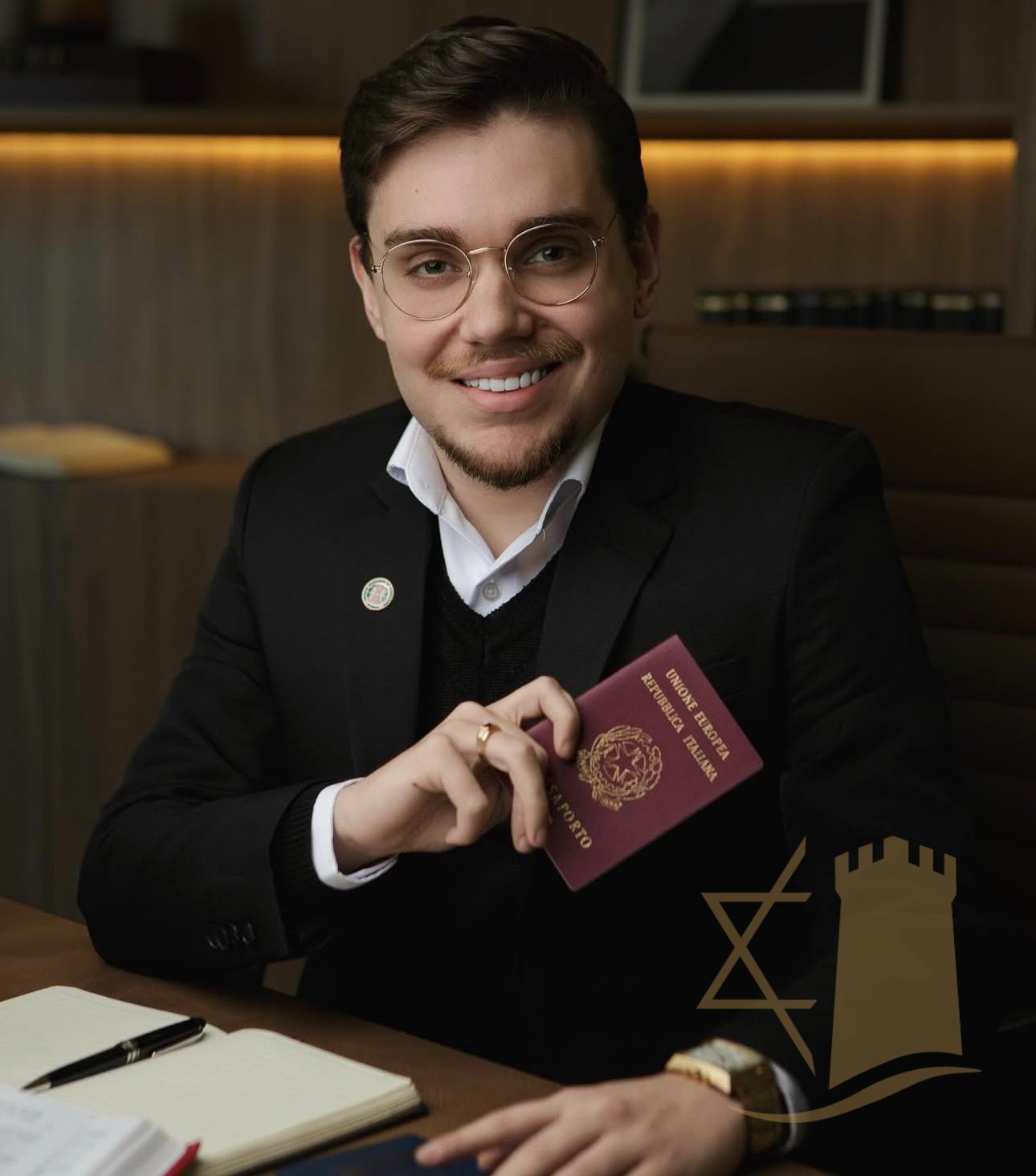
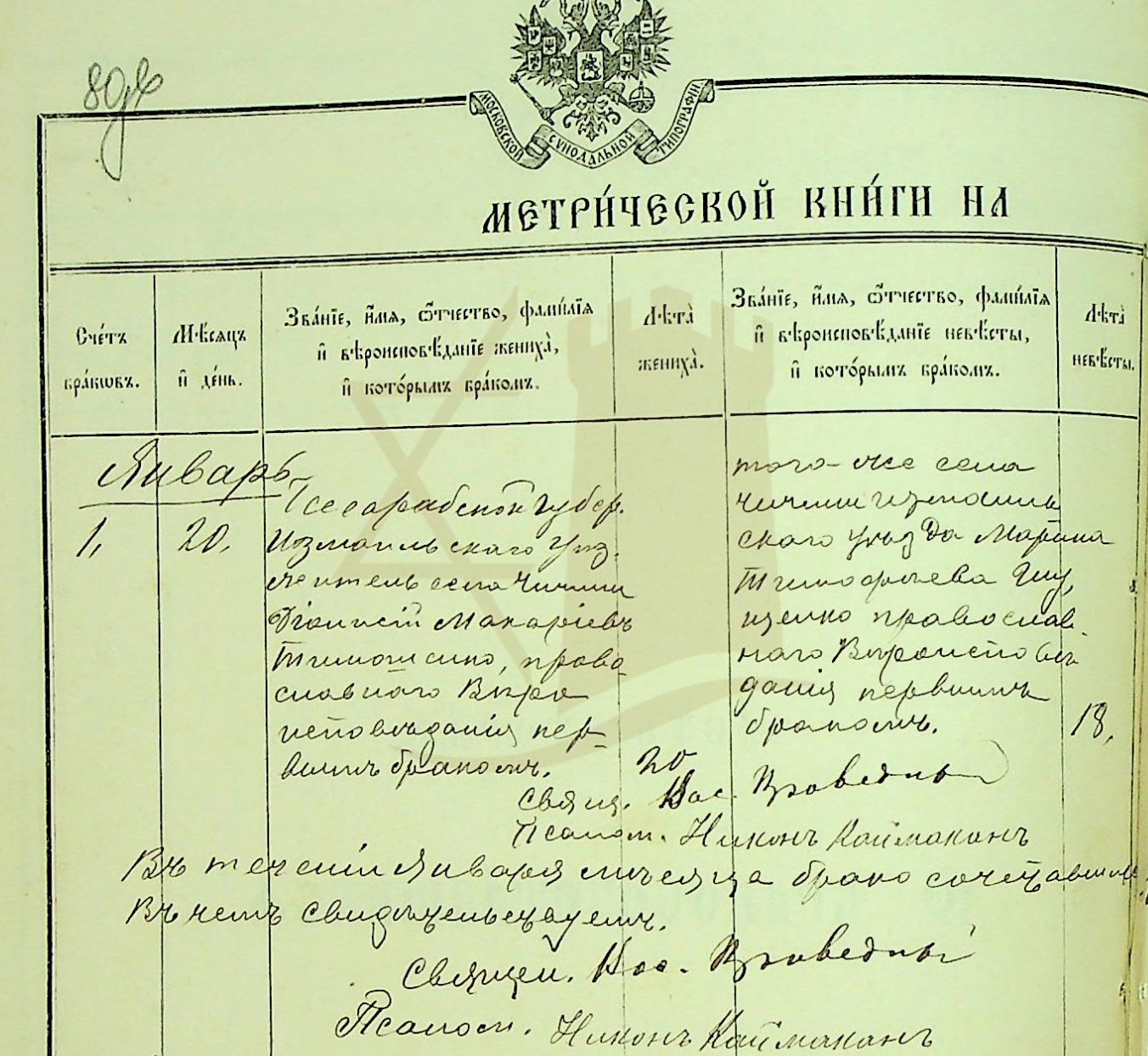
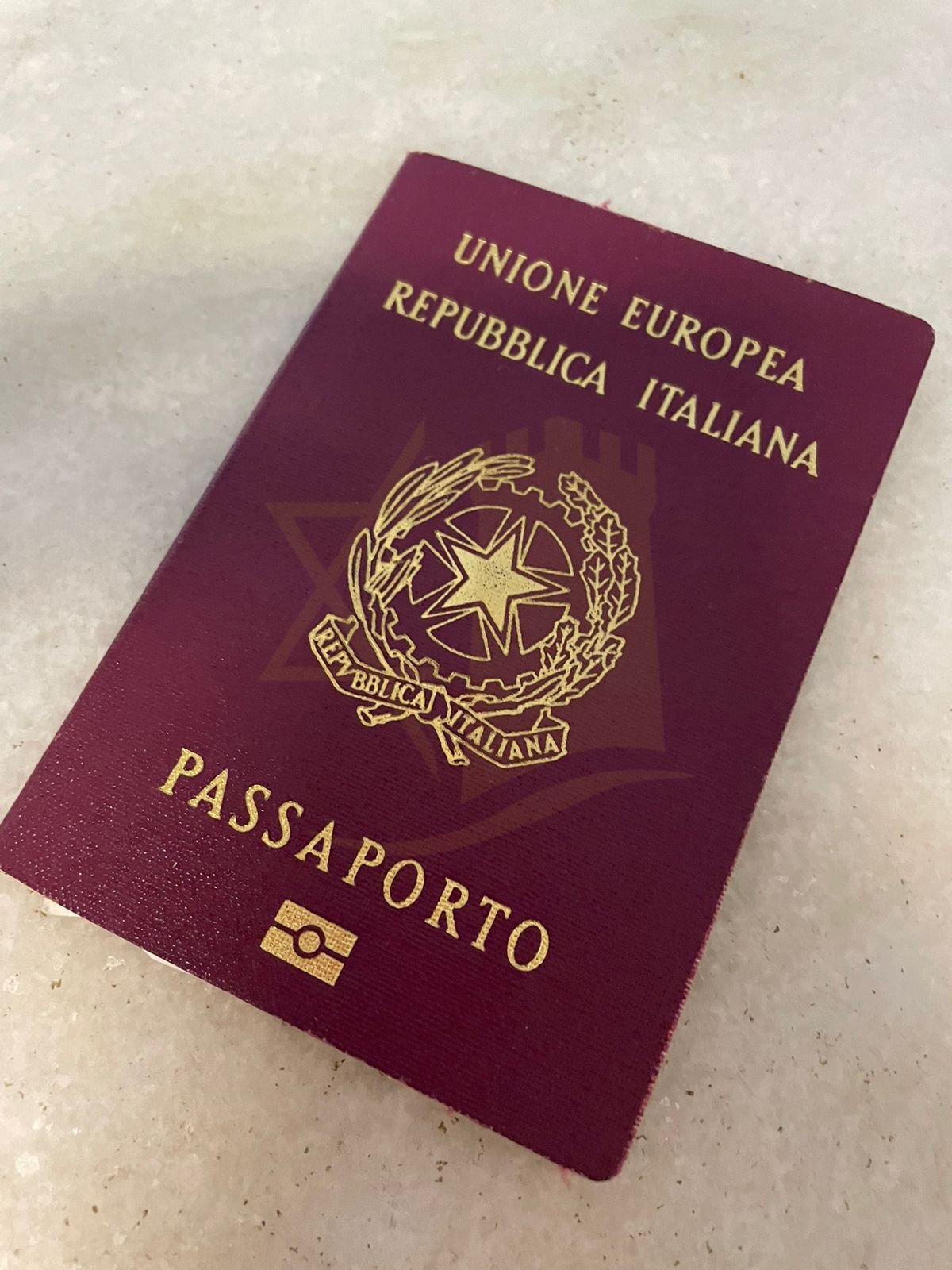
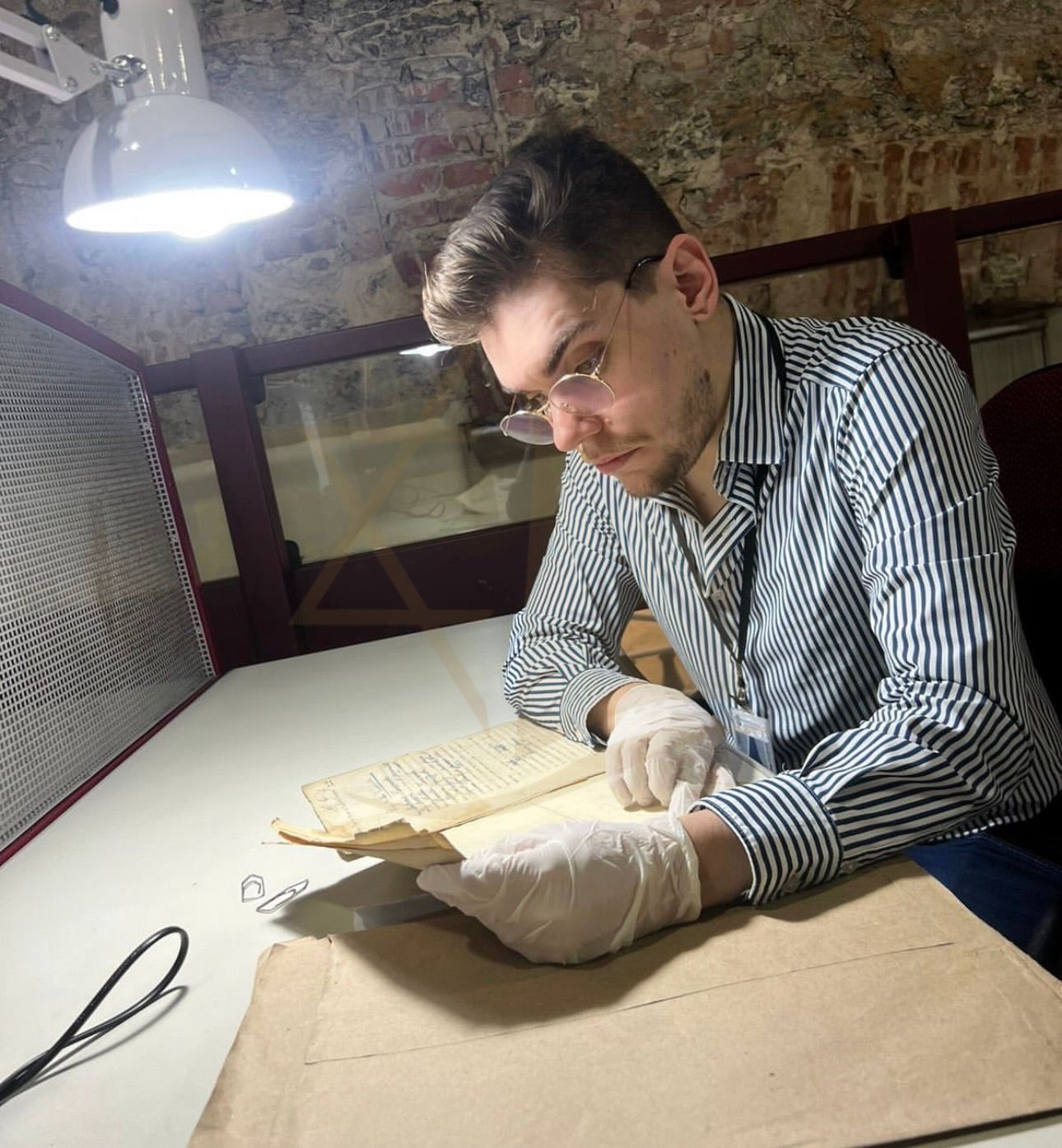
10 years of experience in genealogical and documentary research. Since 2016, I have located and transcribed documents in archives across Brazil and Europe and assisted families through citizenship recognition processes.
Genealogy and citizenship are expensive, slow and bureaucratic processes. There are no deadlines and no guarantees — there is serious research, conducted document by document.”
Reaching what seemed inaccessible
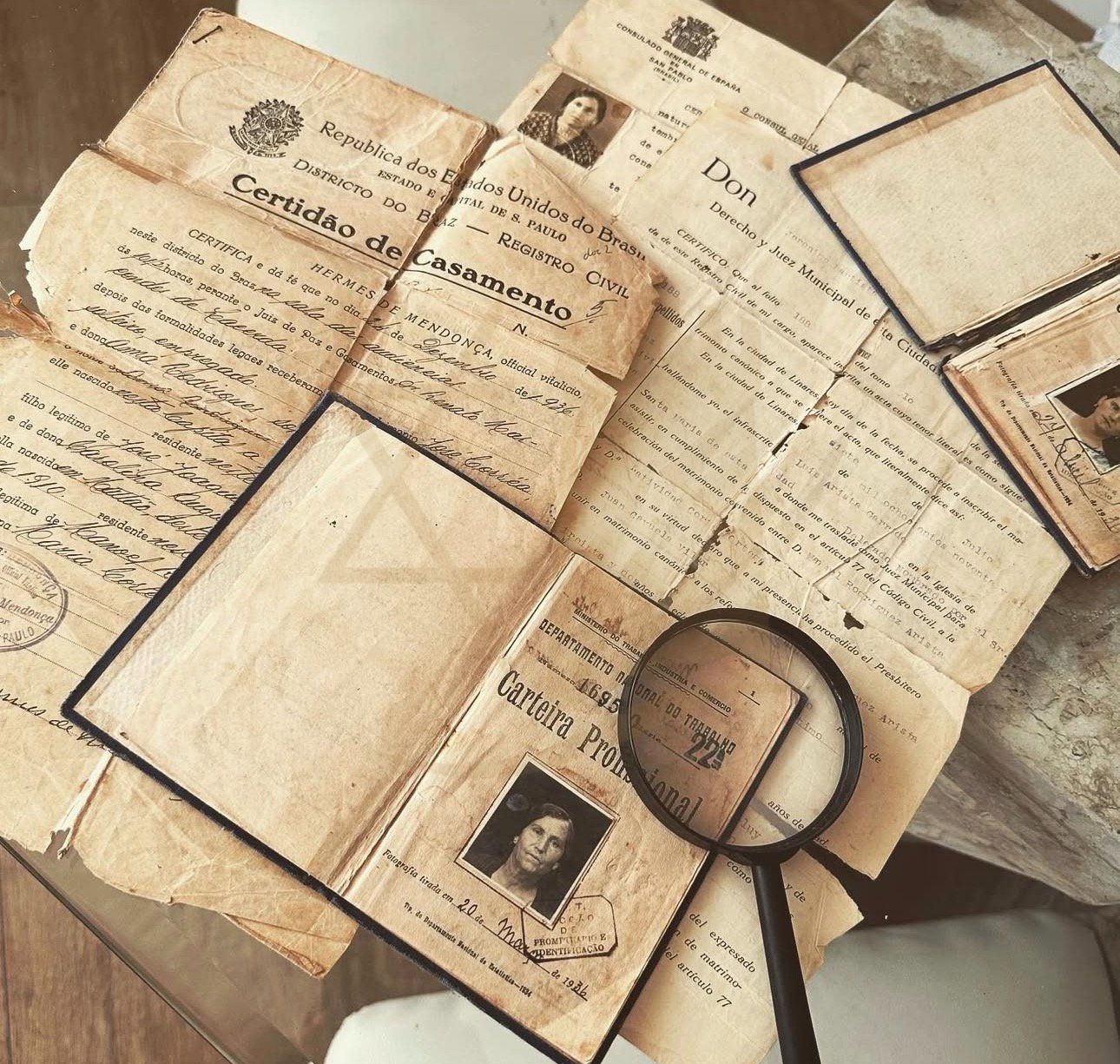
Archives thousands of kilometres away, catalogues that never reached the internet, languages few can read. The work begins exactly where ordinary searching ends — and every case is treated as one of a kind.
{{ atTitulo }}
{{ atTexto }}
Research conducted personally, from the first document to the final dossier.
Pricing upon consultation. Any genealogical service starts at R$ 4,000. Each research project is quoted according to scope, the archives involved and the documentation already available.
Requests written in the language of each archive, in Europe and beyond.
O Vade Mecum da Genealogia
The genealogist's bedside companion.
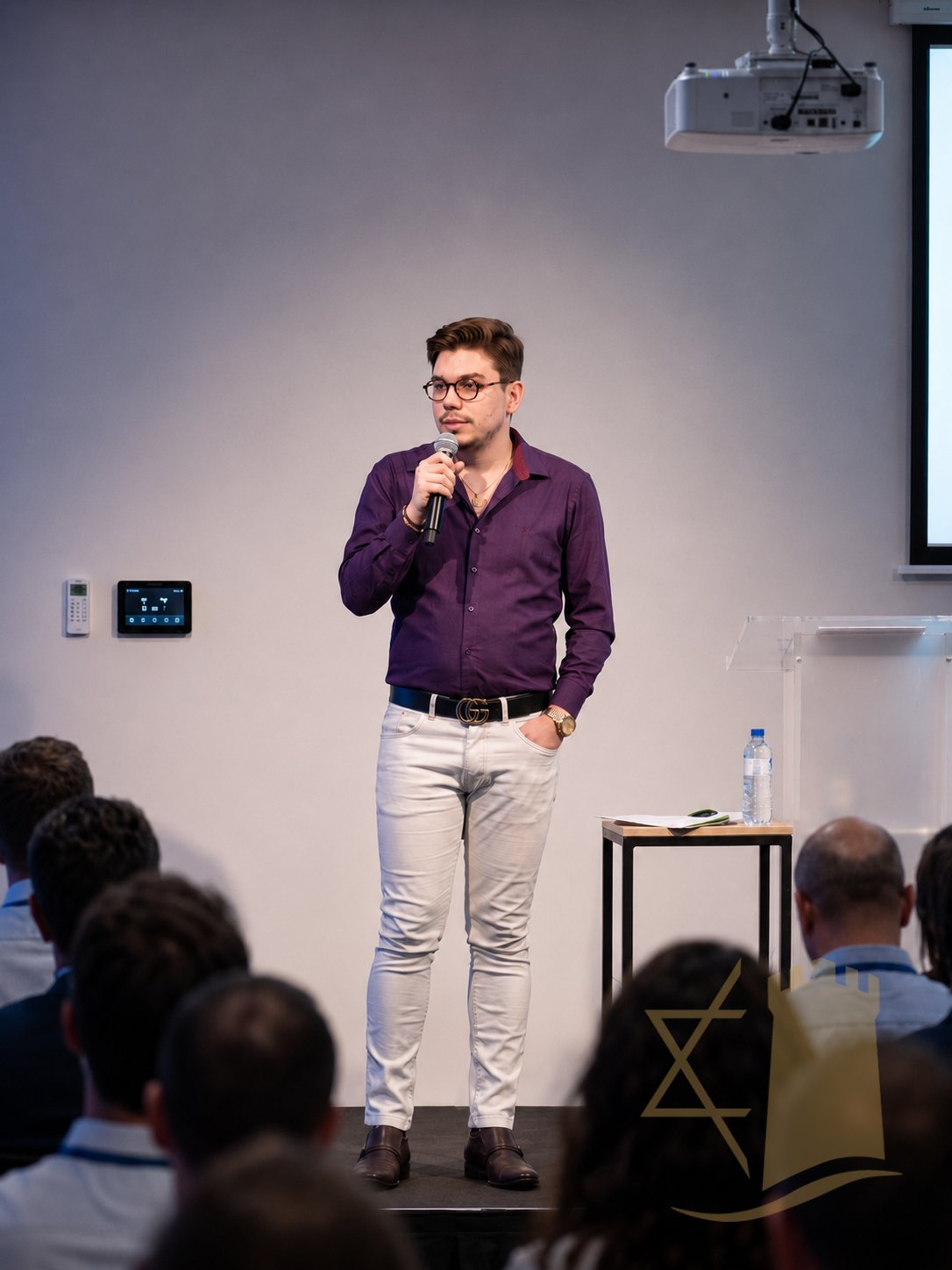
In a lecture to the Colégio Brasileiro de Genealogia, Alexandre Timosencho announced the preparation and publication of his book O Vade Mecum da Genealogia. As the name says — vade mecum, "come with me" —, the work was born to accompany the researcher through every stage of the craft: it gathers ten years of practice in archives in Brazil and abroad, the research and document-organisation techniques developed along the way, and the method of critical source reading that shapes a discerning genealogist.
From the first family survey to the assembly of a complete dossier — through paleography, requests to foreign archives and the ethics of document handling —, the Vade Mecum systematises what until now was learned only through practice, and aims to become a permanent reference for students, researchers and professionals of genealogy.
In preparation. The launch will be announced on Instagram.
FOLLOW @TIMOSEARCH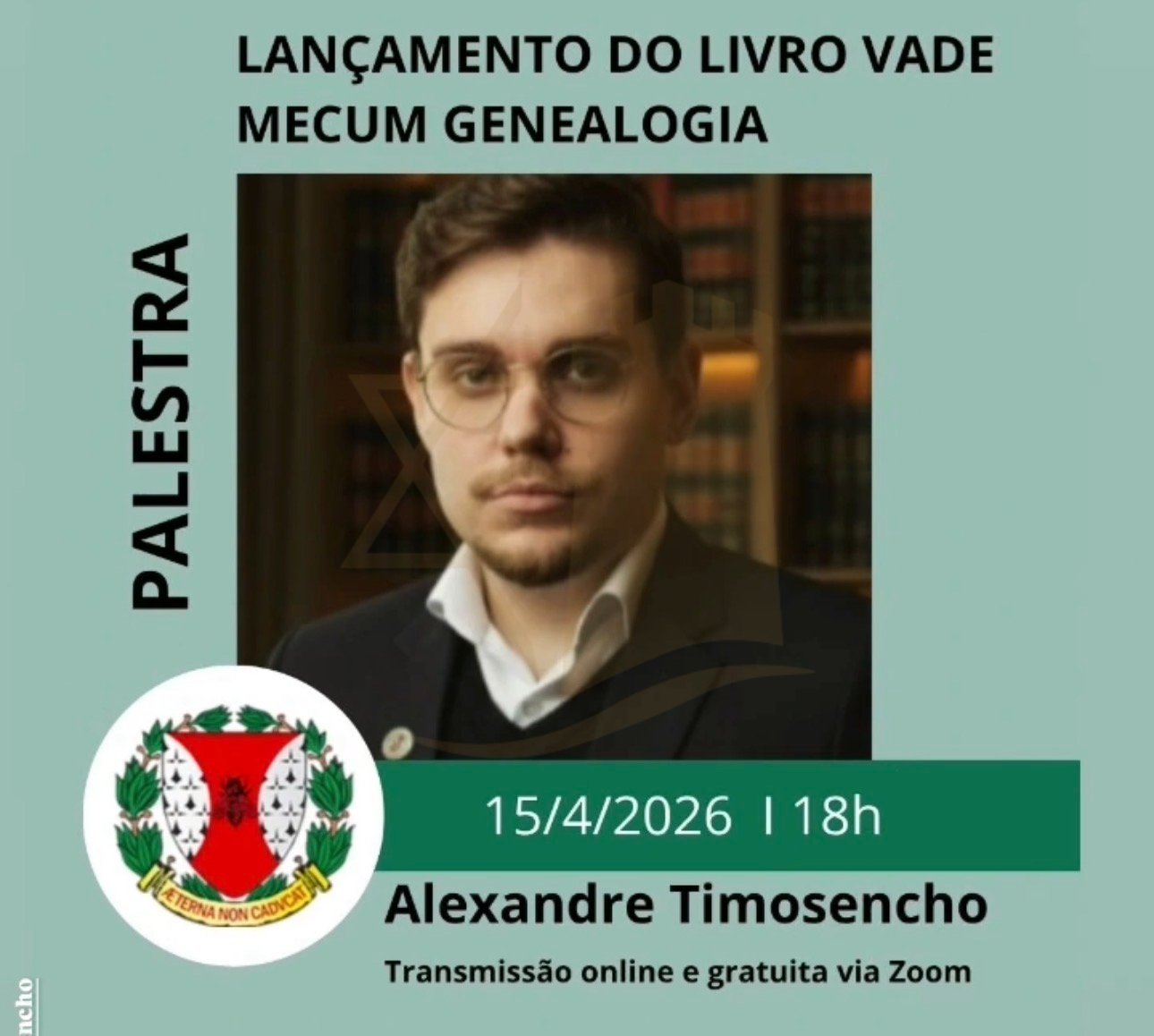
The Tatarbunary Uprising
Bessarabia, 1924 — the history the Timosencho family lived from within.
Beyond genealogy and the recognition of European citizenships, Alexandre Timosencho is one of the few specialists in the Americas on the so-called Tatarbunary Uprising of 1924. The subject is deeply personal for the researcher: his family, the Timosenchos, took an active part in the uprising in the territory of former Romanian Bessarabia — today's southern Ukraine.
The uprising was an armed peasant revolt that broke out in September 1924 in the Tatarbunary region, backed by the Union of Soviet Socialist Republics. Its aim was to free Bessarabia from Romanian influence and establish the Socialist Republic of Southern Bessarabia — the embryo of what would become Moldova. The context had been building since the Romanian annexation of 1918: the agrarian reform of 1921, which frustrated the local peasantry, the unpopularity of the Bucharest government and growing Soviet influence on the eastern bank of the Dniester formed the ground on which the revolt exploded.
Crushed within days by the Romanian army, the uprising had consequences that spanned decades: hundreds of peasants killed or prosecuted, entire villages scarred by repression, and a trial of international repercussion. Even so, it remains little known today — and precisely for that reason an important study of the consequences of the annexation of Bessarabia, the failure of the agrarian reform and the power struggle between Romania and the Soviet Union that redrew the map of the region.
A descendant of some of the uprising's protagonists, Alexandre has assembled over the years a private collection of documents on the revolt — records from Ukrainian, Romanian, Moldovan and Russian archives, many never before seen in Brazil. It is from this cross-reading of sources, in their original languages, that the ongoing research is born.
Peasant uprising in Tatarbunary, southern Bessarabia
Then Romanian territory; today southern Ukraine
Private collection of Ukrainian, Romanian, Moldovan and Russian documents
"It is not merely an object of study: it is the history my own family lived through."
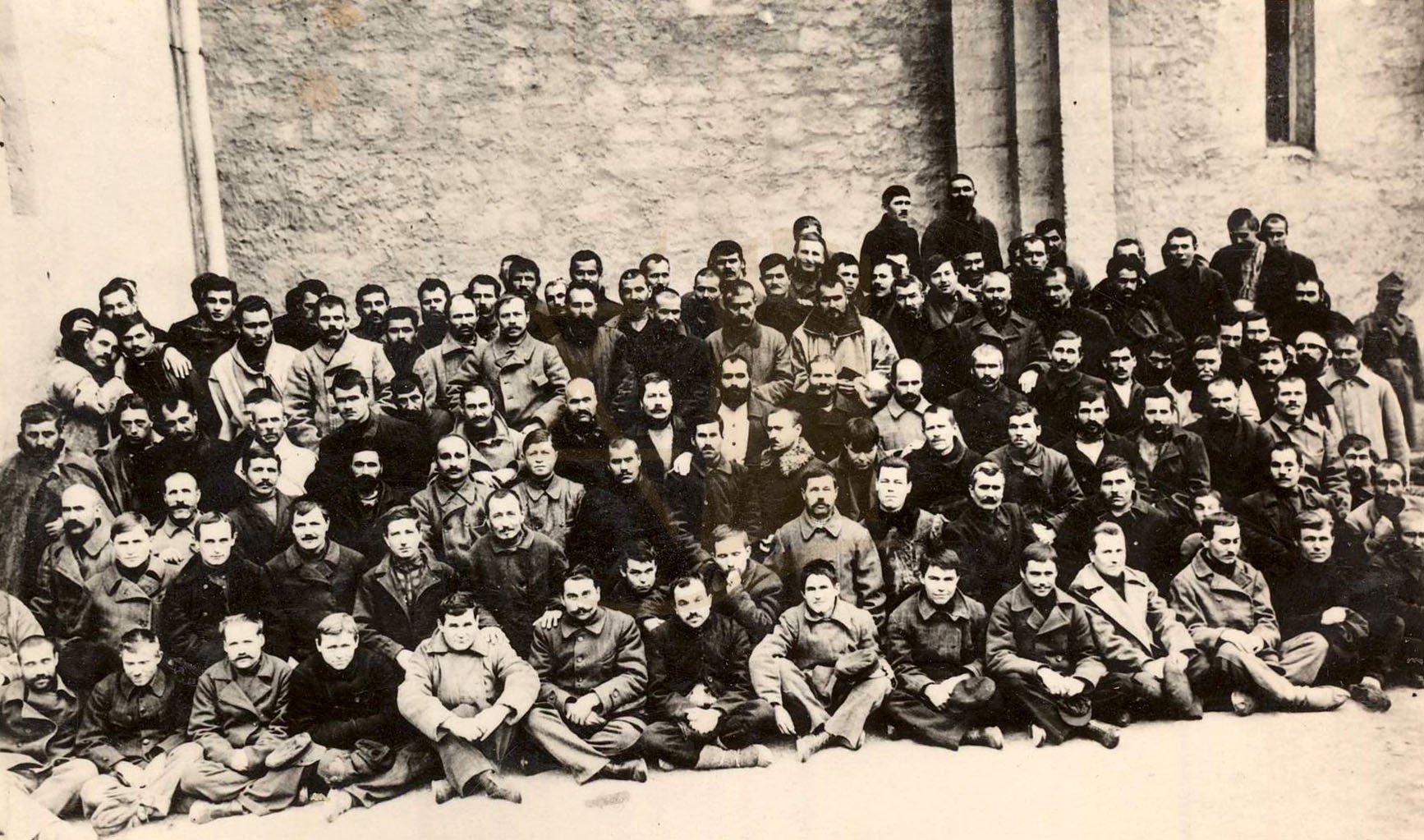
Prisoners of the Tatarbunary uprising, 1924.
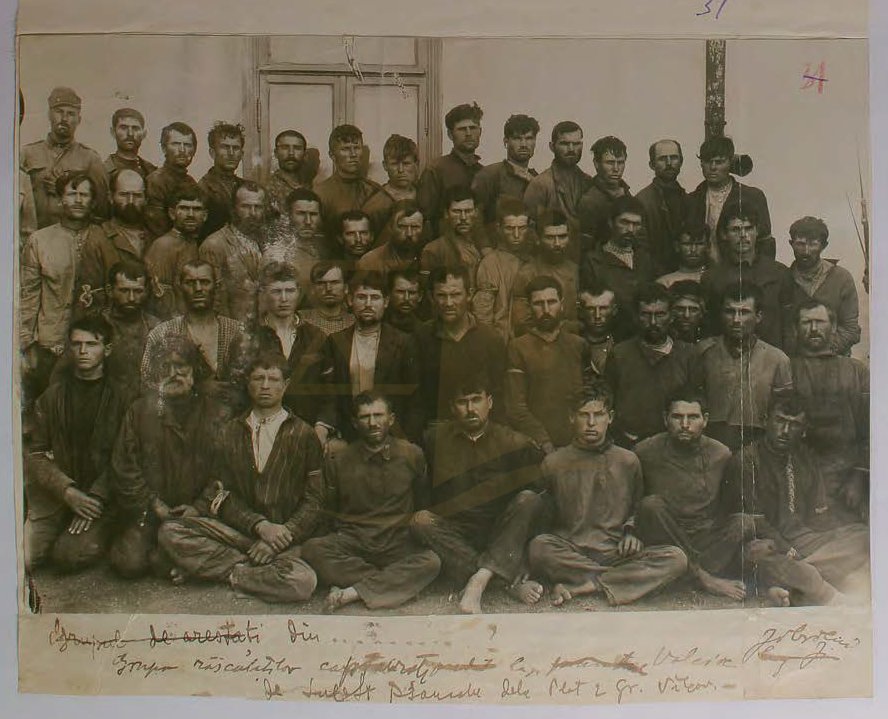
Group of captured insurgents — period photograph with handwritten notes in Romanian.
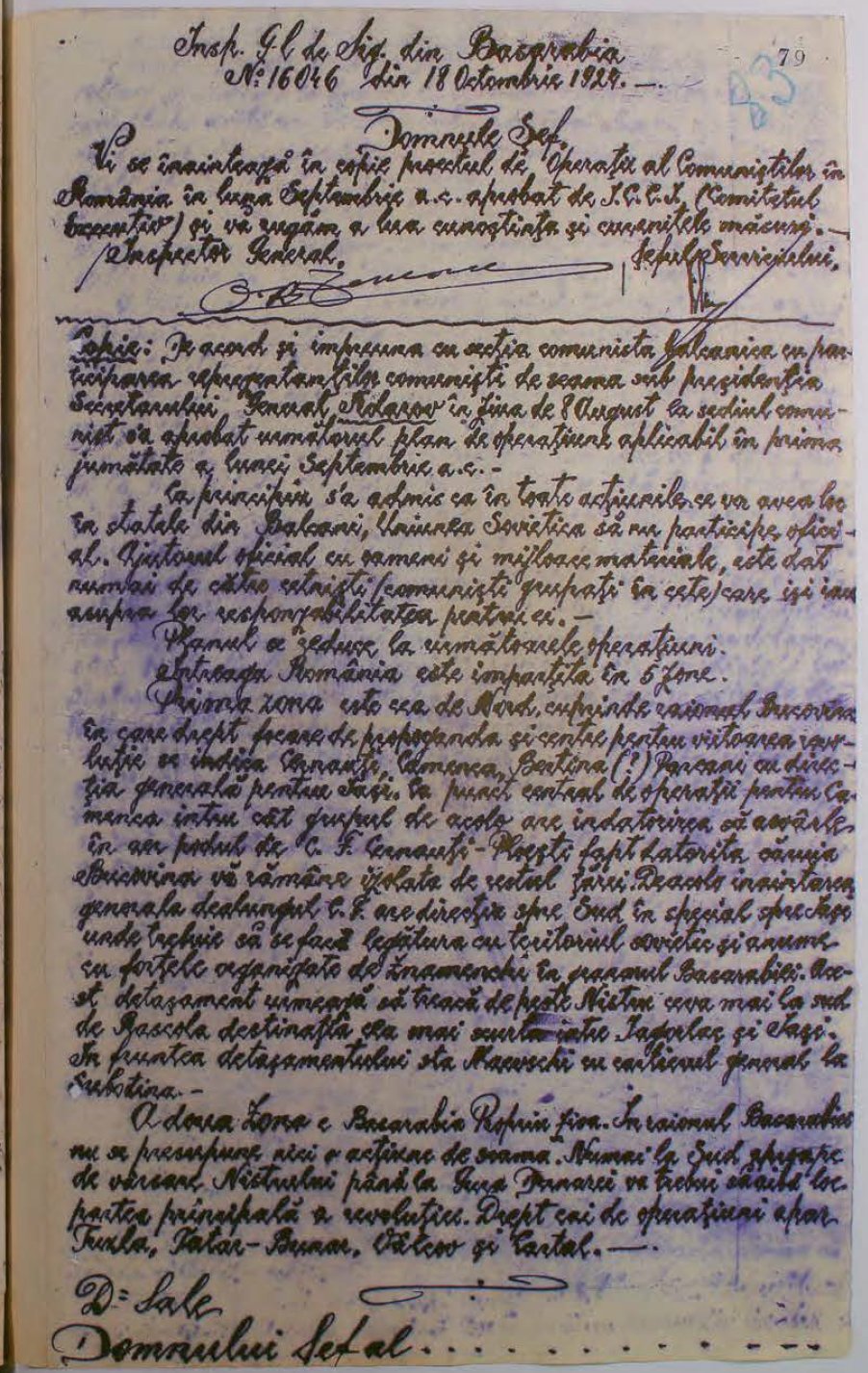
Report of the Bessarabia Siguranța Inspectorate, no. 16046, of 18 October 1924 — plan of communist operations in Romania.
Jews of Egypt (Juifs d'Égypte)
Preserving the memory of a community that erasure tries to forget.
Having grown up surrounded by Jews of Egyptian origin, Alexandre Timosencho learned the French and Arabic spoken at home, the cuisine, the cultural and religious customs — and turned that closeness into a commitment. Since 2020 he has been actively devoted to maintaining and preserving the cultural heritage of the Jews of Egypt.
Settled on Egyptian soil since the days of Moses, and swelled over the centuries by other Jewish currents — those expelled from the Iberian Peninsula at the time of the Inquisition and the further diasporas that found a safe harbour on the Nile —, the Jews of Egypt are an undeniable part of Egyptian history. Present from the beginning, they took an active part in national development from the opening of the Suez Canal onwards, with decisive contributions to the country's economy: Banque Misr, the Alexandria Cotton Exchange, the Cicurel department stores, the birth of Egyptian cinema, Cairo's tramways and so many other institutions that shaped modern Egypt.
With the establishment of the State of Israel in 1948 and, above all, the Egyptian revolution of 1952, Gamal Abdel Nasser's government began actively persecuting the local Jewish population: threats, confiscation of property, revocation of citizenship and mass expulsions. The result was the exodus of a community of more than eighty thousand people, scattered across Israel, Europe and the Americas in little more than a decade.
Today, the Egyptian government denies or distorts the existence of this community and does not issue basic documents — such as birth certificates — to these people and their descendants, producing an erasure of identity that affects thousands of families. It is against this erasure that the work is directed.
Alexandre keeps a private collection of documentary evidence on the Jews of Egypt and, alongside local preservation groups, works to spread this history and prevent its being forgotten. In 2024 he was in London, where he received the curatorship of the documentary collection of Nicolette Pinto and Jacques Mawas Z"L — researchers born in Egypt who spent more than forty years gathering the documents that prove their own histories.
People in the community before the exodus that began in 1948
Persecution, confiscation of property, revocation of citizenship and mass expulsion
Start of active dedication to preserving the cultural heritage
Curatorship of the Nicolette Pinto and Jacques Mawas Z"L collection, received in London
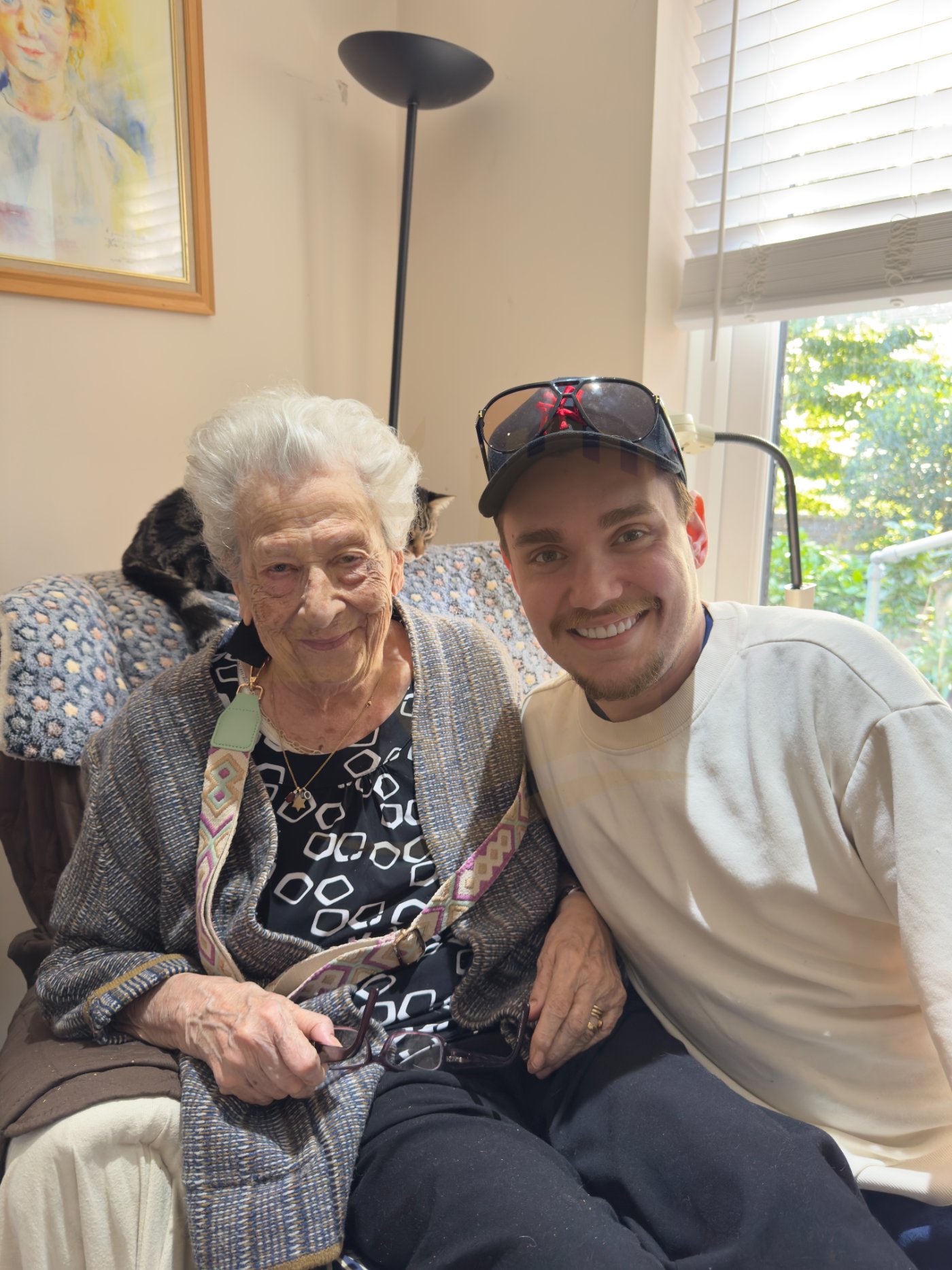
Alexandre and Nicolette Pinto, England, 2024.
"When a State denies someone's birth certificate, it denies that this person ever existed. To document is to prevent forgetting."
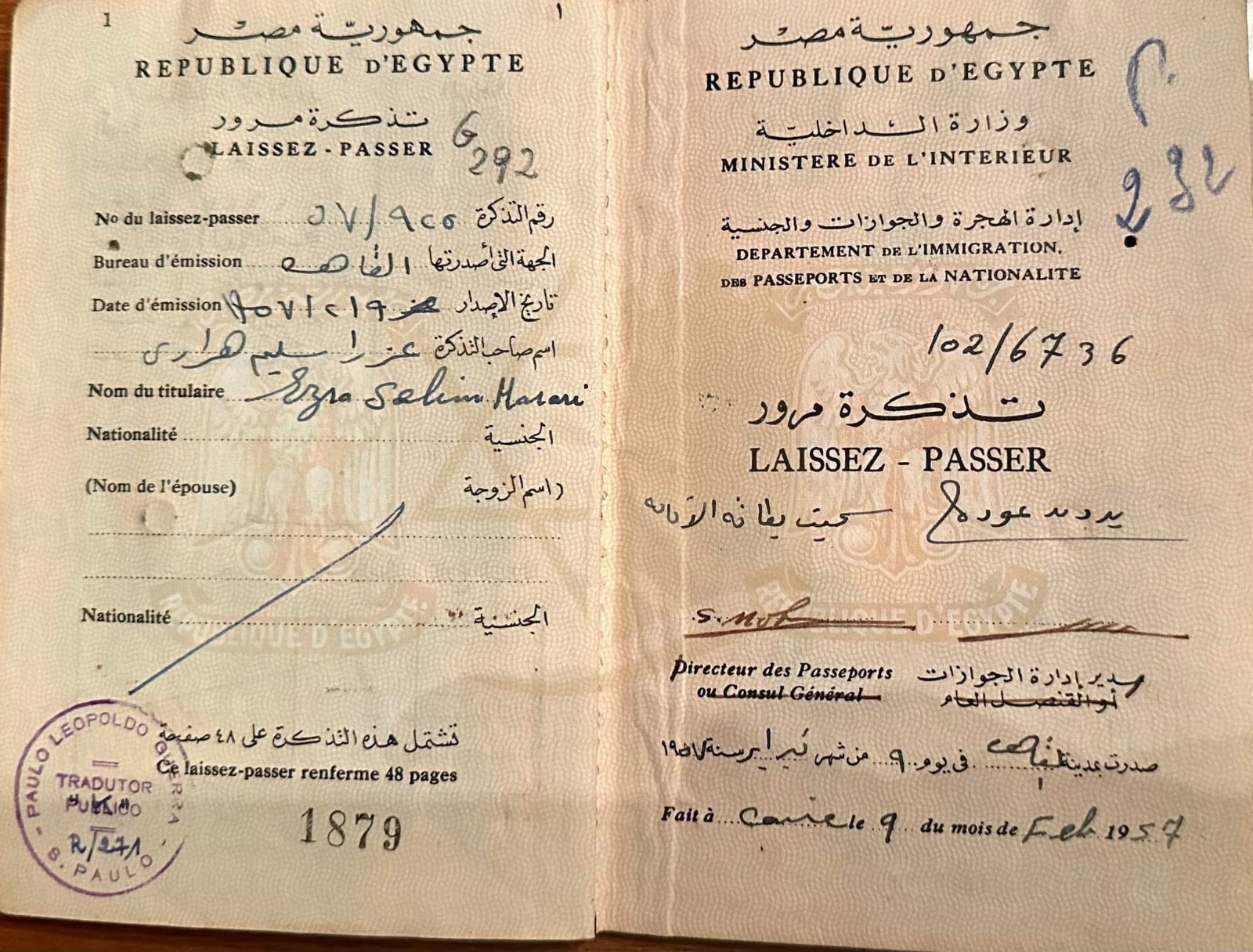
Laissez-passer issued in Cairo in 1957 — the "nationality" field left blank: the document of those who left without citizenship.
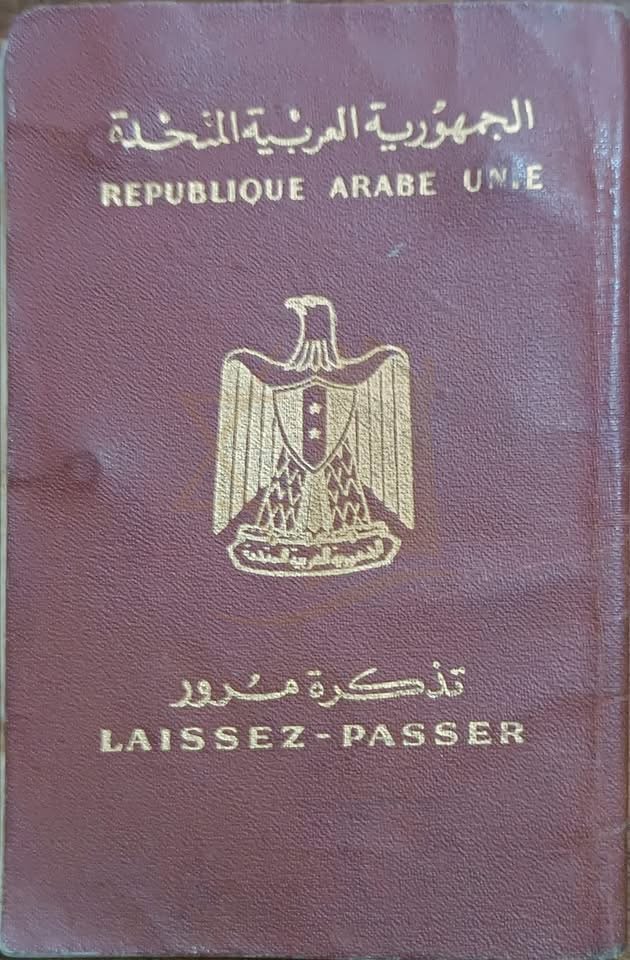
Cover of the laissez-passer — the passport that declares no homeland.
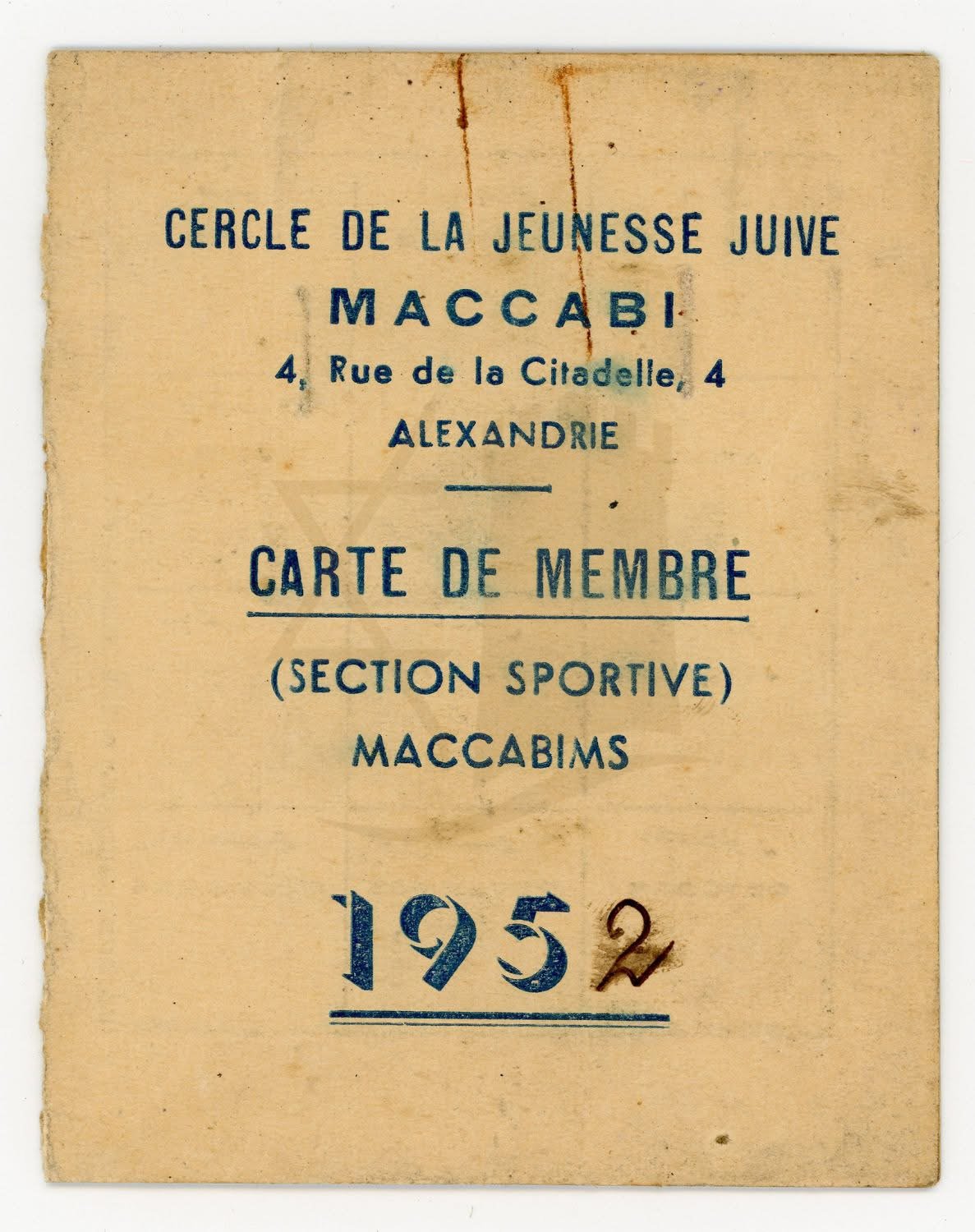
Membership card of the Cercle de la Jeunesse Juive Maccabi, sports section — Alexandria, 1952.
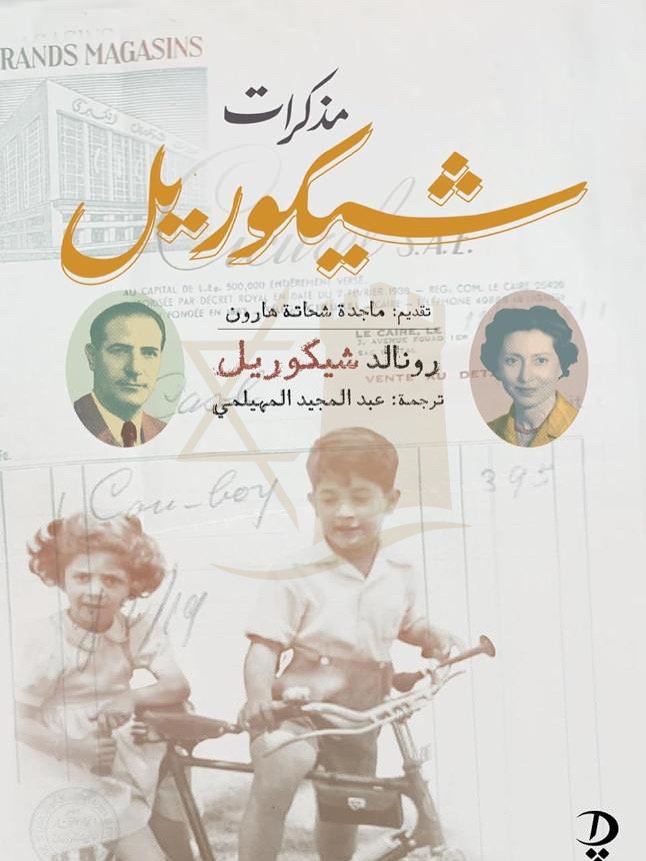
Memoirs of Ronald Cicurel, of the Cicurel department-store family — Arabic edition.
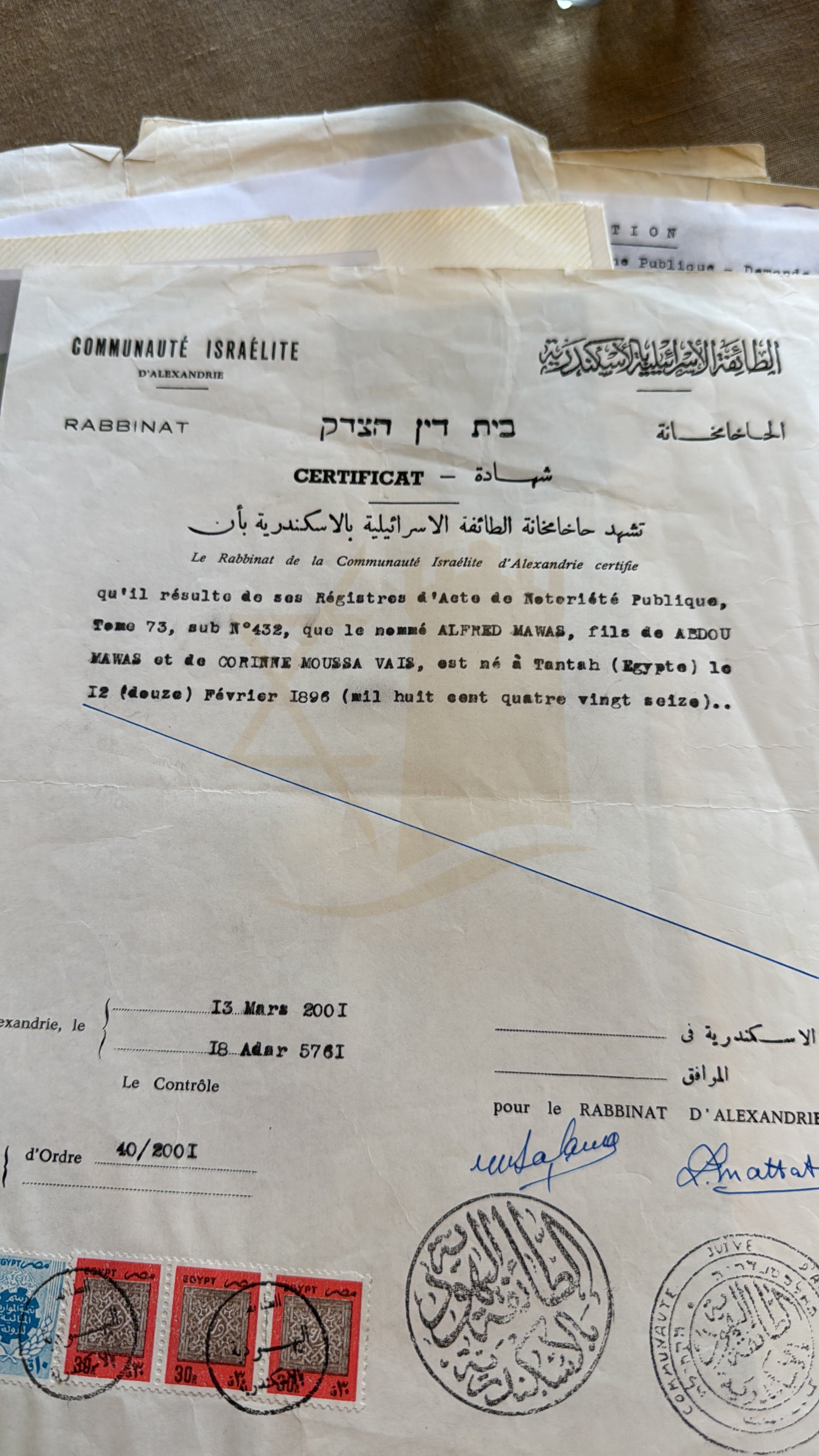
Certificate of the Rabbinate of the Jewish Community of Alexandria attesting an 1896 birth in Tantah — issued in 2001, when the State no longer provided certificates.
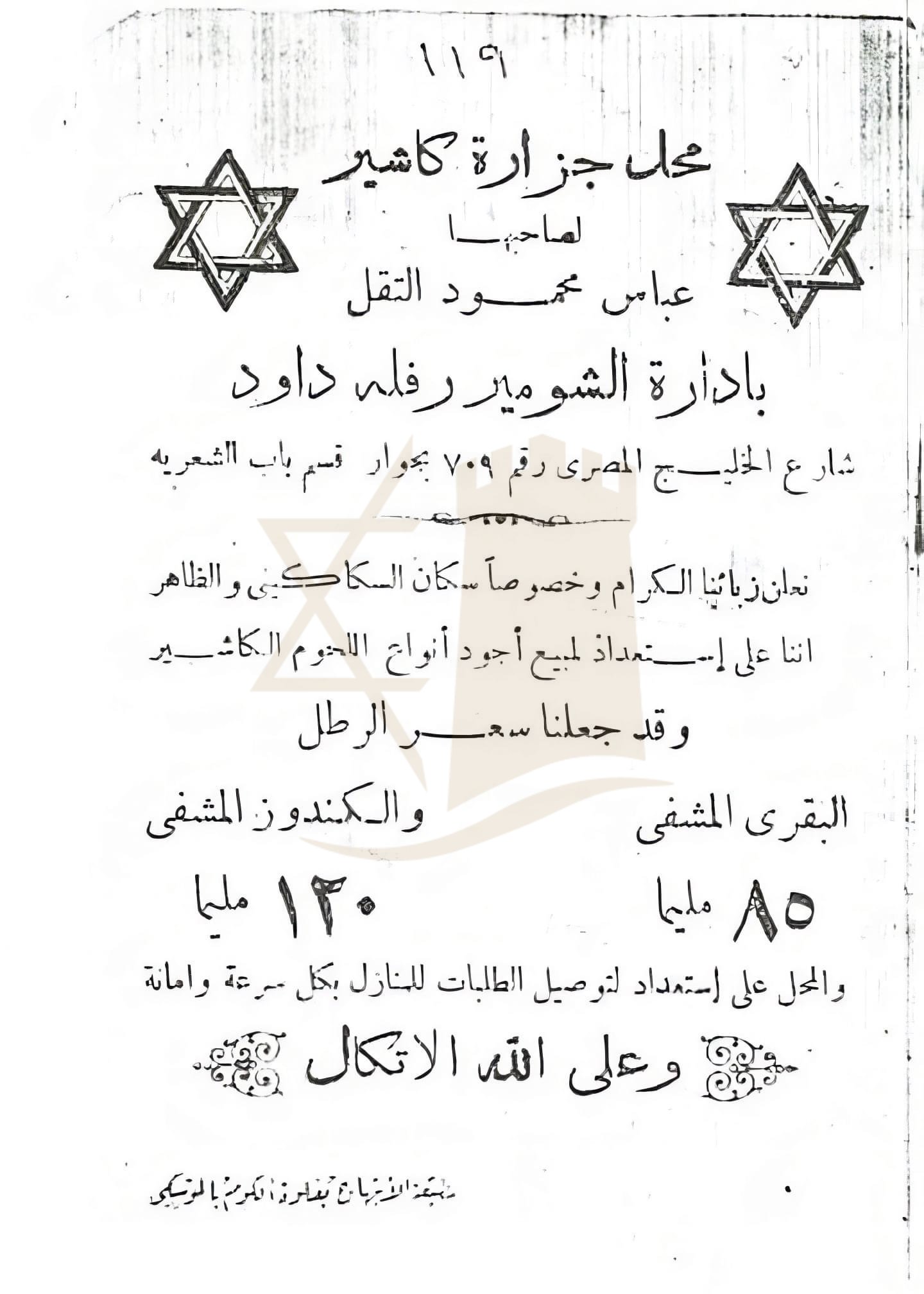
Advertisement for a kosher butcher shop in Cairo, printed in Arabic — Jewish-Egyptian daily life before the exodus.
Teaching how to read the past
Lectures and classes on genealogy, paleography, immigration and citizenship research for institutions, associations and descendant groups — in Brazil and abroad.
One-on-one mentoring for those who want to lead their own research: method, choice of sources, archive requests and reading of old documents.
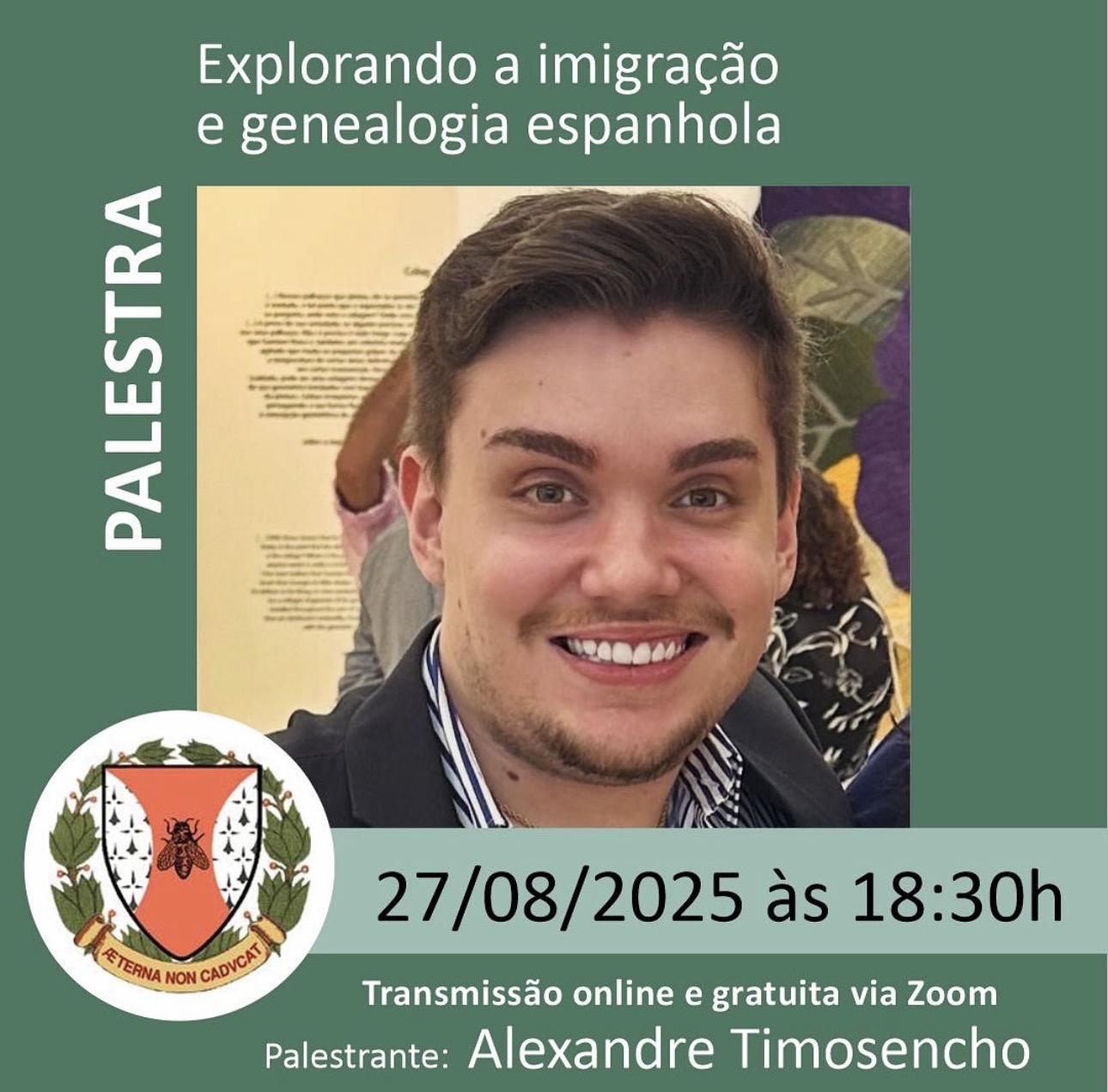
Exploring Spanish immigration and genealogy
27/08/2025 · Online broadcast via Zoom · Speaker: Alexandre Timosencho
WATCH ON YOUTUBE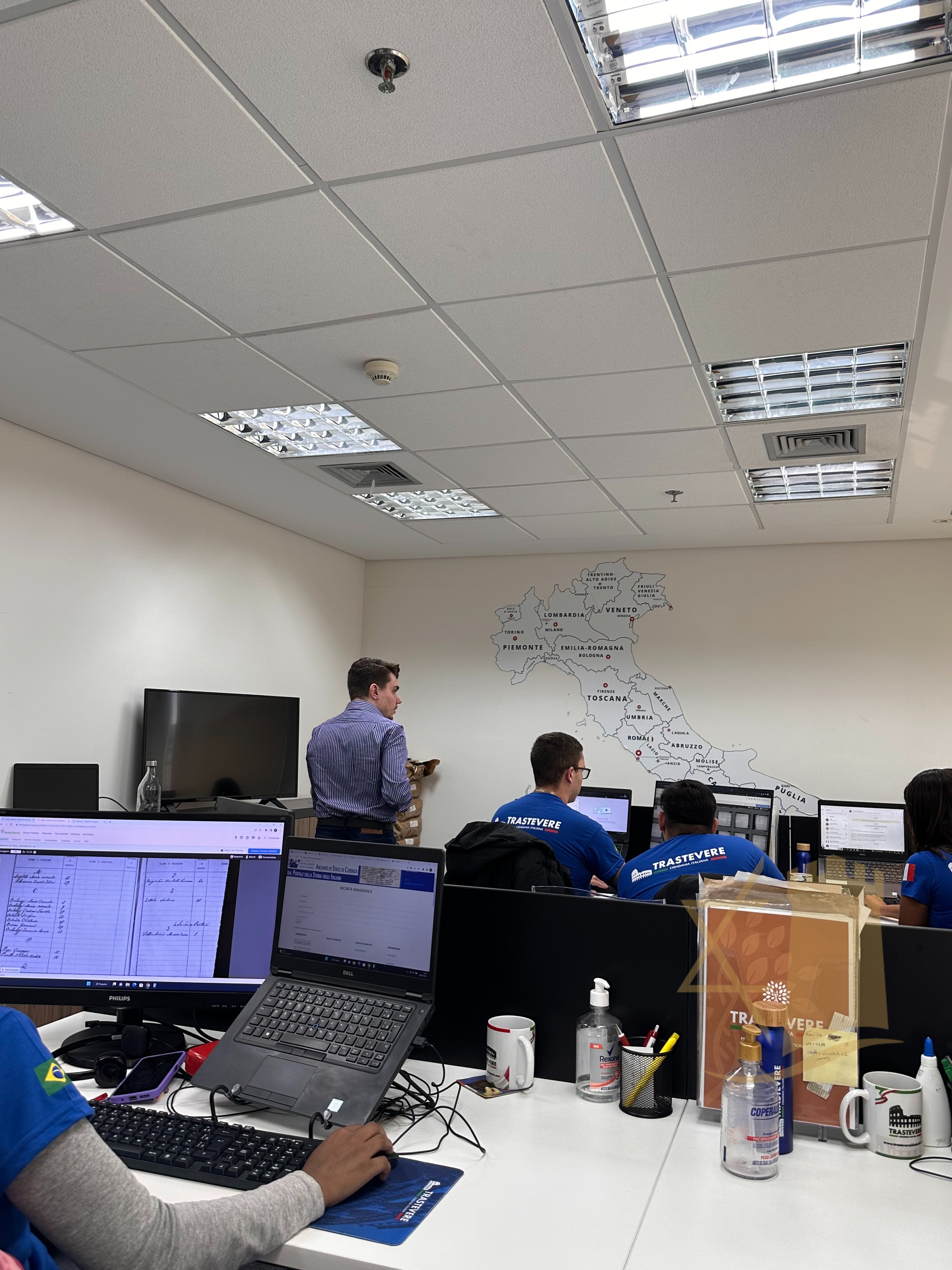
Training teams in documentary research
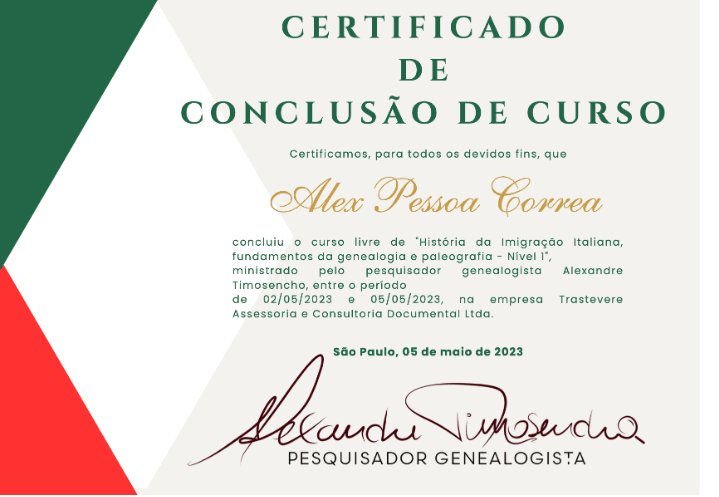
In-company training: research method, use of digital collections and reading of original records for teams working in citizenship and genealogy. Open course “History of Italian Immigration, foundations of genealogy and paleography — Level 1”, with certificate of completion.
Notices and statements

 TIMOSENCHO
Historian · Paleographer · Genealogist
TIMOSENCHO
Historian · Paleographer · Genealogist
Owing to the recent changes in Italian citizenship legislation and the sharp increase in Spanish citizenship enquiries brought about by the Democratic Memory Law (LMD), our WhatsApp channel is overloaded, receiving a volume of messages far above the usual.
We are replying to every message as swiftly as possible and respectfully ask for everyone's patience and understanding.
In case of urgency, contact: contato@timosencho.com.
 ALEXANDRE TIMOSENCHO
Historian · Paleographer · Genealogist
ALEXANDRE TIMOSENCHO
Historian · Paleographer · Genealogist
Certifications and affiliations
AFFILIATIONS AND CREDENTIALS
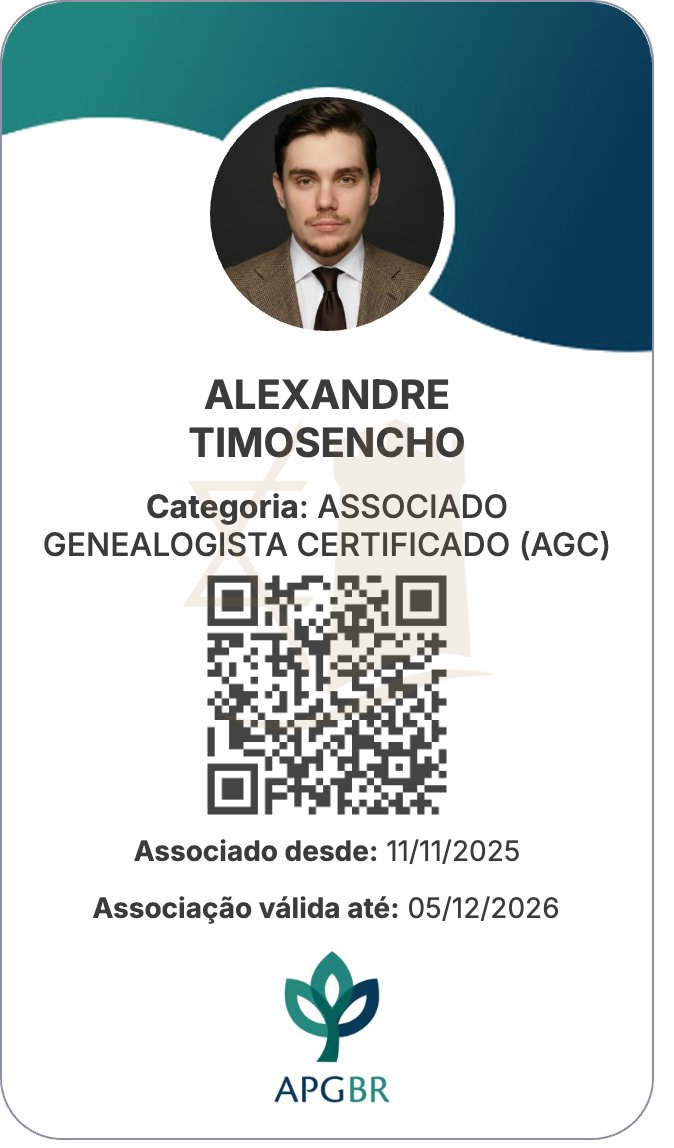
Certified Genealogist Associate card (AGC) — APGBR.
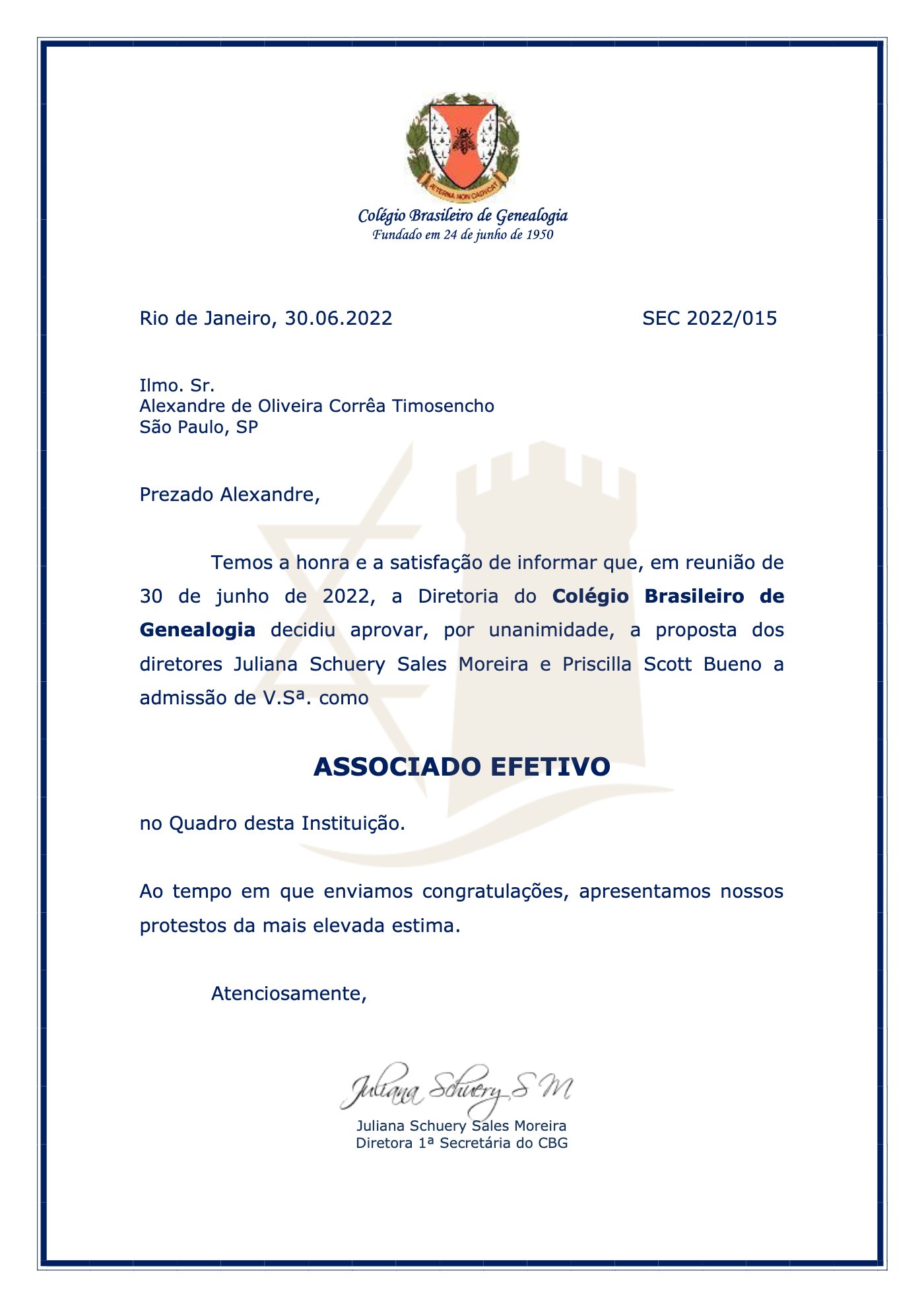
Letter of admission to the Colégio Brasileiro de Genealogia — full member, admitted unanimously by the Board, 2022.
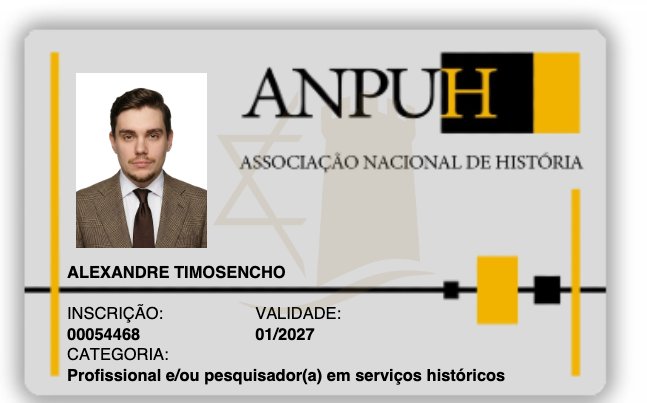
ANPUH — Brazilian National History Association: professional and researcher in historical services, registration 00054468, valid until 01/2027.
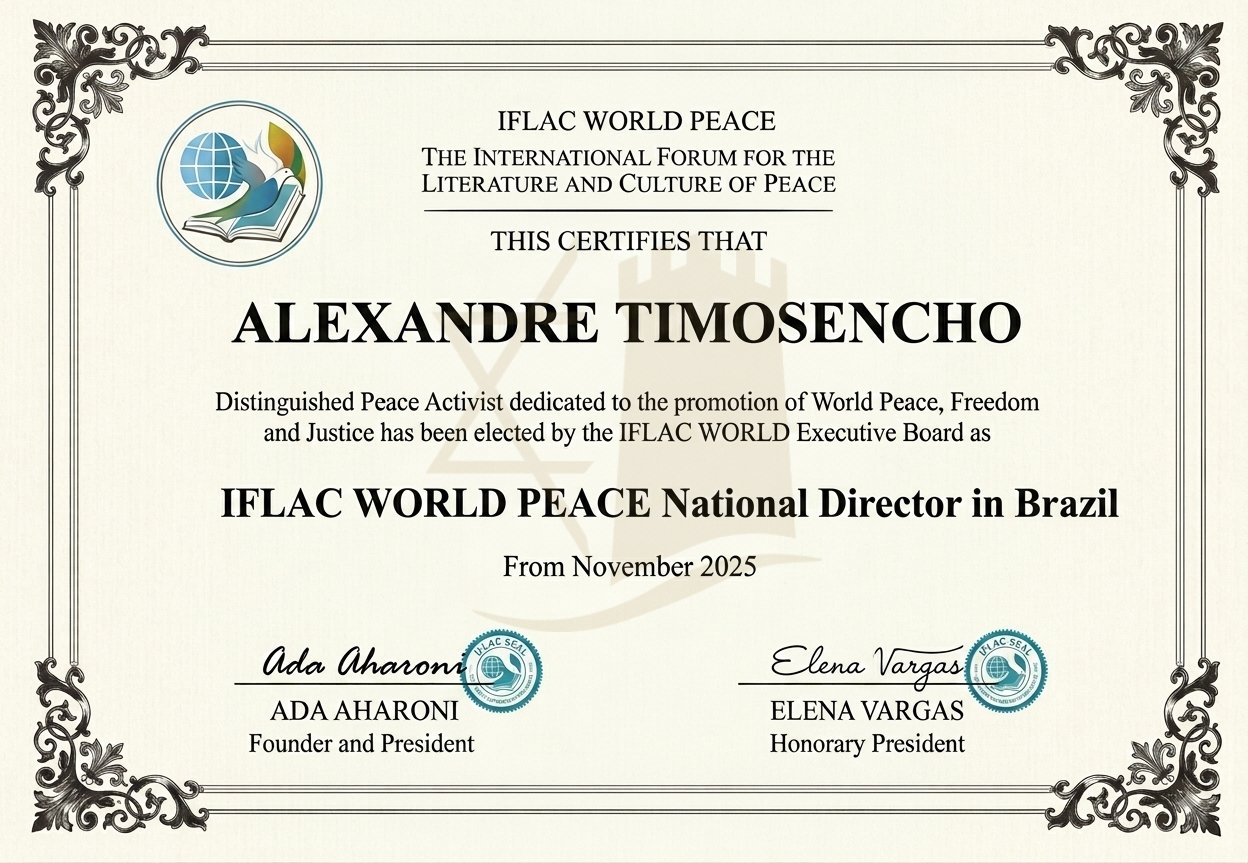
IFLAC World Peace — National Director in Brazil since November 2025.
COURSES AND TRAINING
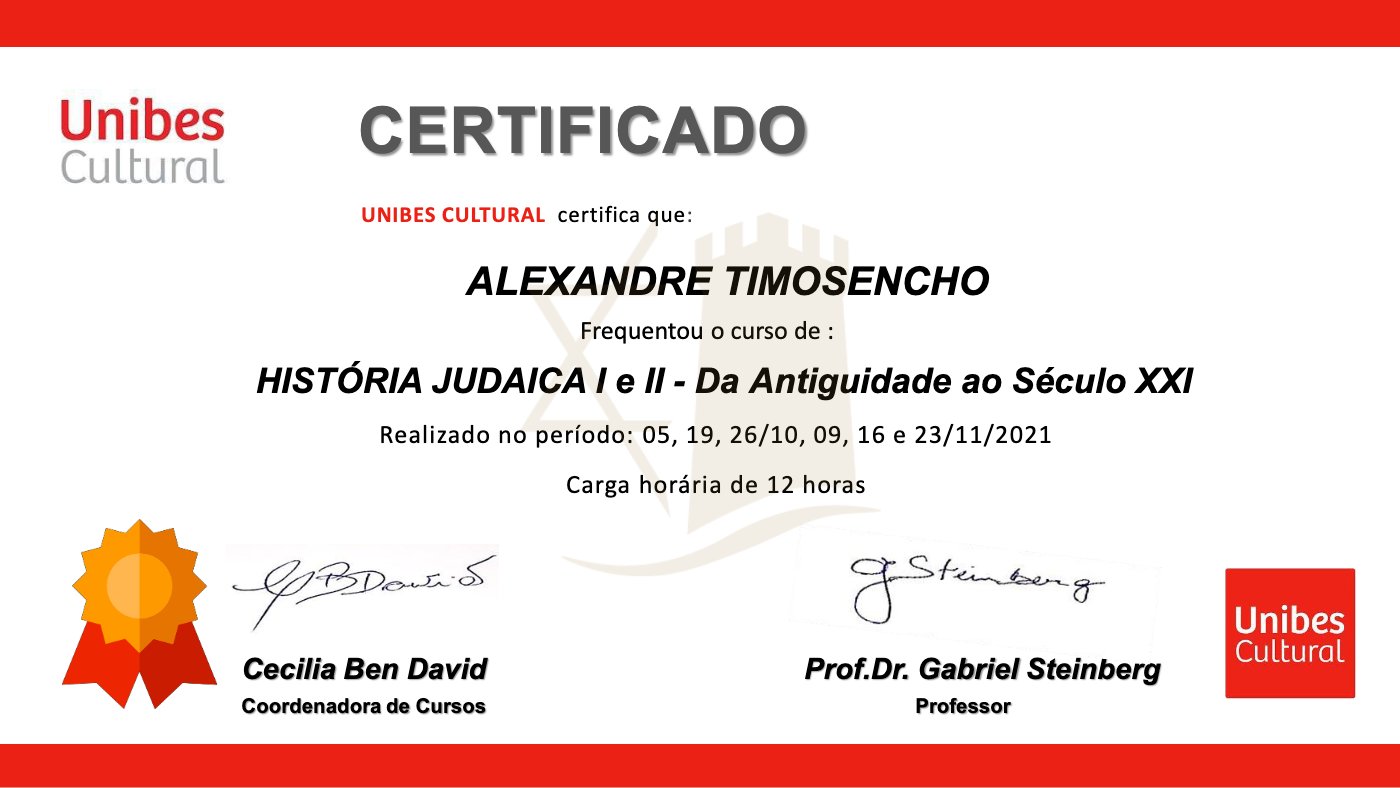
Unibes Cultural — Jewish History I and II: from Antiquity to the 21st Century, 12 hours, 2021.
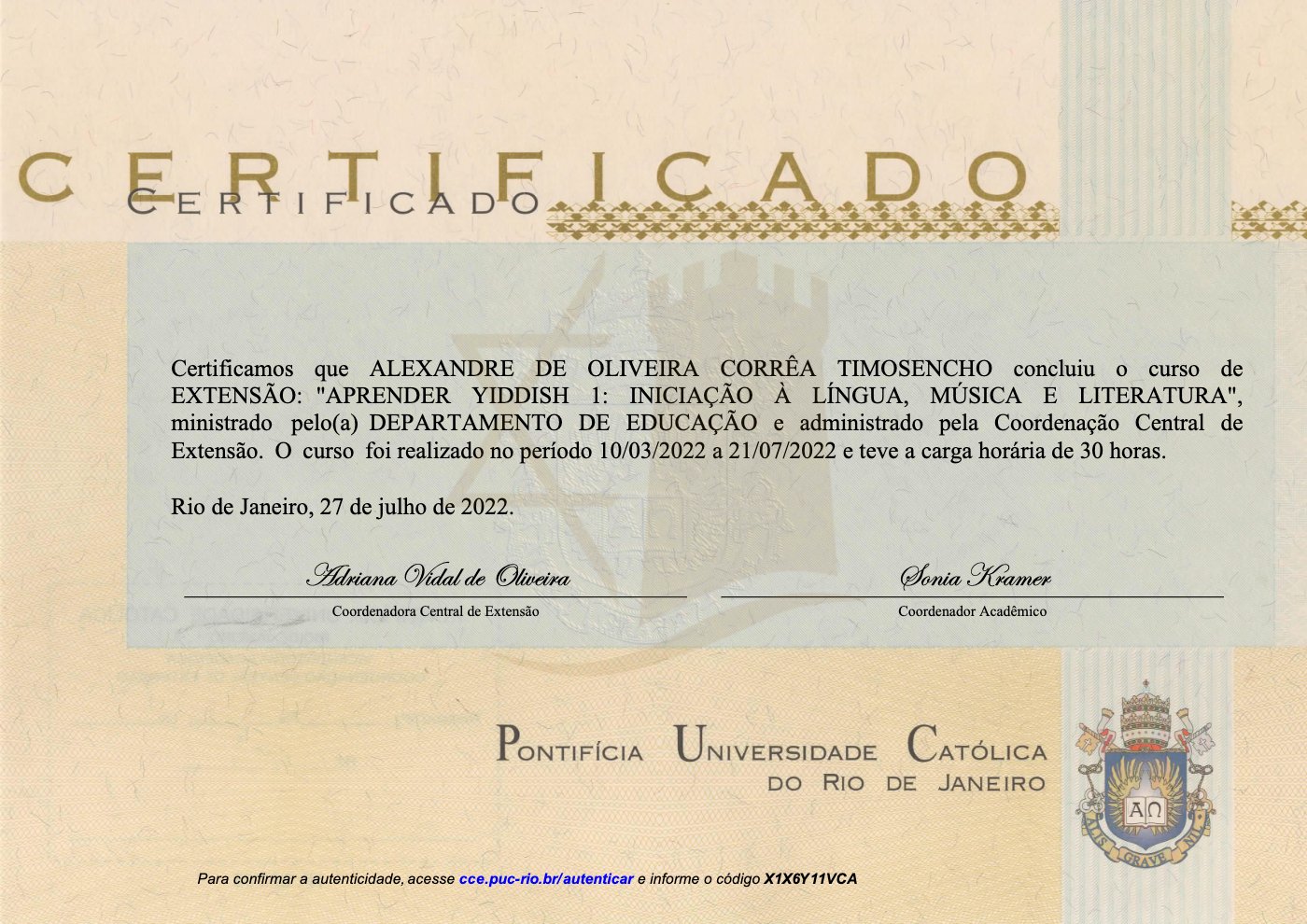
PUC-Rio — extension course “Learning Yiddish 1: introduction to the language, music and literature”, 30 hours, 2022.
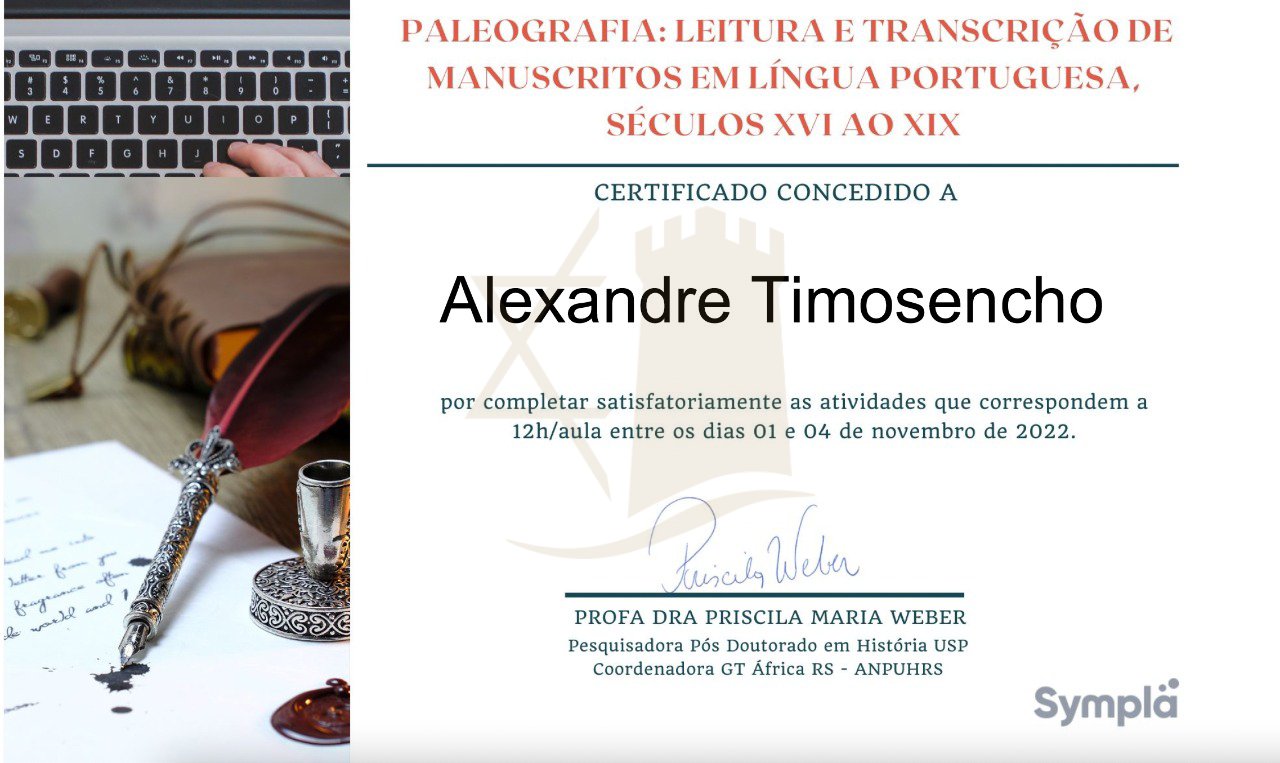
Paleography: reading and transcription of Portuguese-language manuscripts, 16th–19th centuries — 12 hours, 2022.
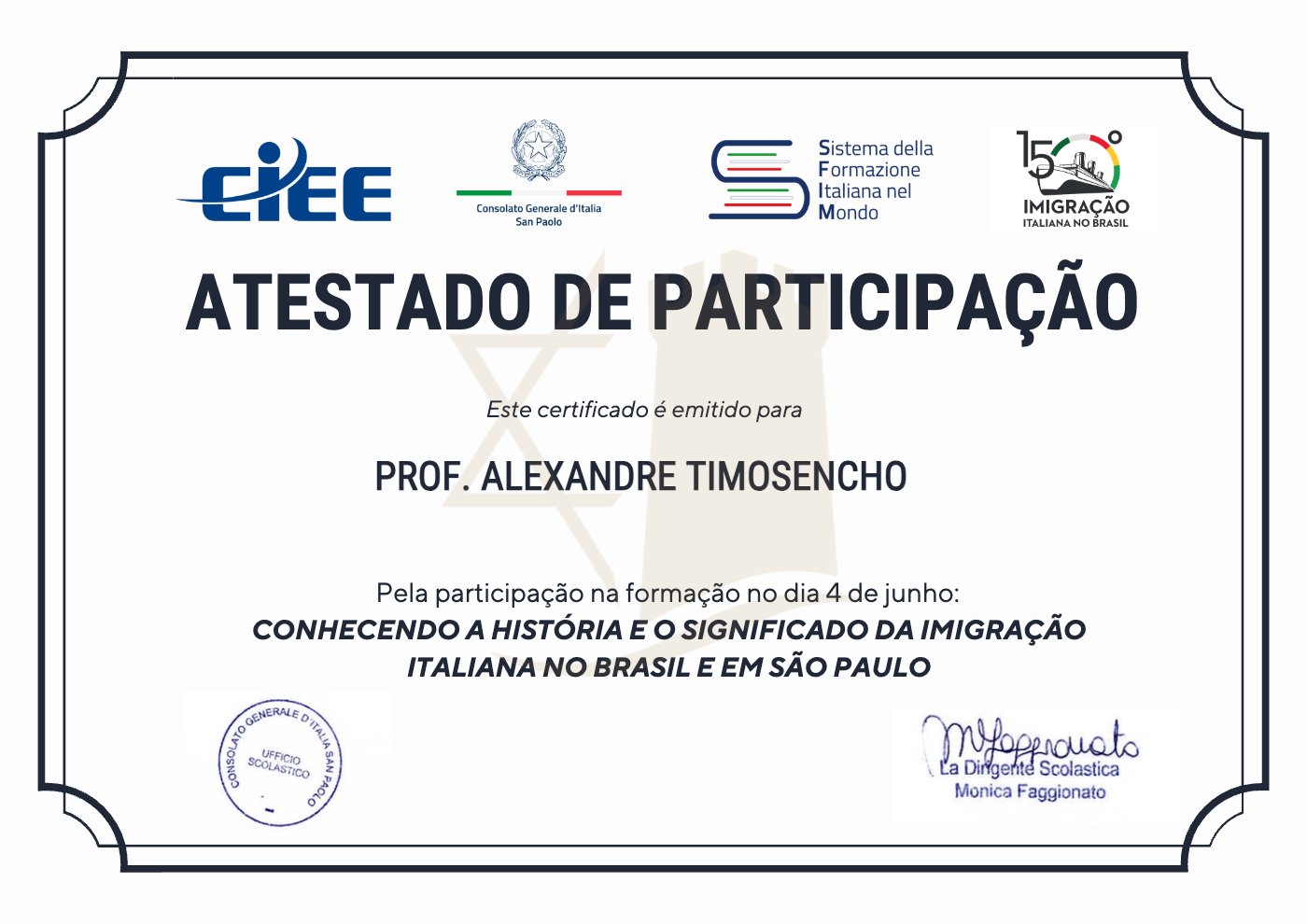
CIEE and the Consulate General of Italy in São Paulo — training “Understanding the history and meaning of Italian immigration in Brazil and São Paulo”.
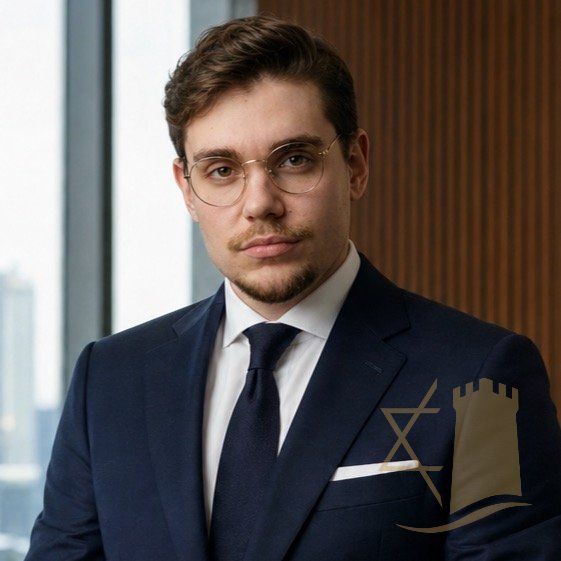
Alexandre Timosencho
Historian · Paleographer · Genealogist
I was born in São Paulo, into a family of Italians from Calabria, the Patis, and of Ukrainian Jews, the Timosenchos — I grew up between two heritages that crossed the ocean. That is why genealogy never had a beginning for me: it was always there. Whole nights on end, my grandmother and I sat at the table building family trees for pure pleasure.
I graduated in Business Administration, but my first job was at a citizenship firm — and I never left the field. I have never done anything else. I have worked for most of the firms in this market; that is why I know exactly where the pain of those seeking recognition lies, what stalls a case and what moves it forward. And because I started out of love, not need, I had the rare luxury of doing, redoing, erring, learning and perfecting.
The citizenship race and the aggressiveness of the advisory firms ended up rendering genealogy and its memory insignificant — and, like a good Jew of Calabrian blood, I stood against it. It is no accident that I am known for a rather unyielding and direct character: I have always defended humanity above sales.
Ten years later — historian, genealogist and paleographer, Director of Publications and Events of the Colégio Brasileiro de Genealogia, certified by APGBR —, I have reached everything they told me I would never reach unless I conformed to the market's standard.
Today, from the office on Avenida Paulista, I serve families and lawyers in Brazil and abroad: citizenship research, forensic genealogy for court cases, paleographic transcriptions and archive requests, from Russia to Egypt — each written in the institution's language. More than five hundred families served, in research that has already reached eight countries and three continents.
From a comune in Italy to a Soviet state archive, or a lost collection in Egypt, I have always treated genealogy with humanity. It is not just the citizenship document: it is a life — our life, for we too will one day be reduced to documents. We are born, sometimes we marry and, in the end, we die: three documents, sometimes two. The people on that sheet of paper laughed, cried, had dreams, made decisions and knew regret.
The respectful handling of the document, allied to reading the mindset of each era, shapes a discerning genealogist — but, above all, a humane one.”
ALEXANDRE TIMOSENCHO
ALEXANDRE TIMOSENCHO
Historian · Paleographer · Genealogist
2026–2028 term
across 8 countries
Reading: Hebrew, Yiddish, Russian, Romanian and Ukrainian

Features and appearances
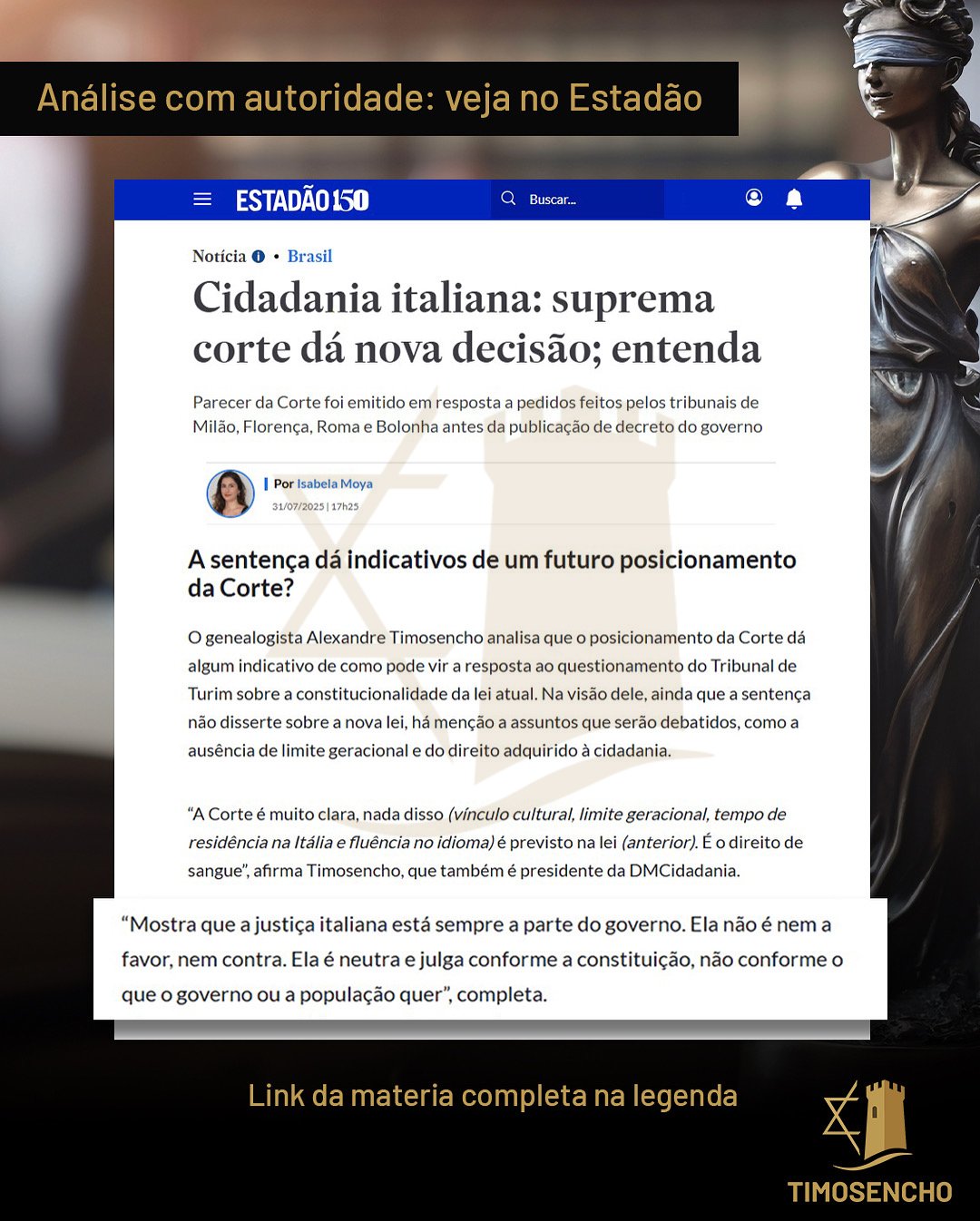
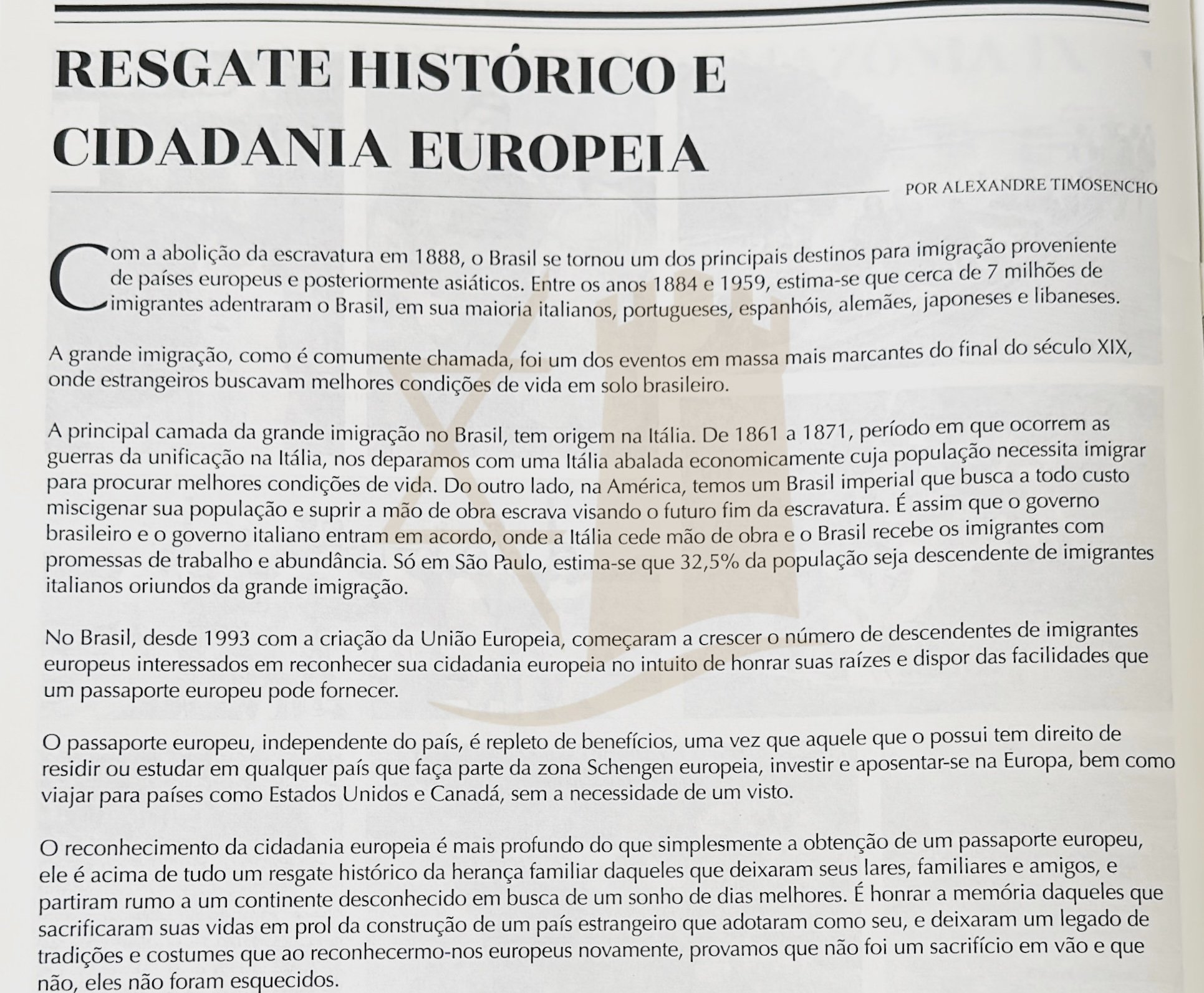
Interviews, articles and public appearances on genealogy, paleography and citizenship.
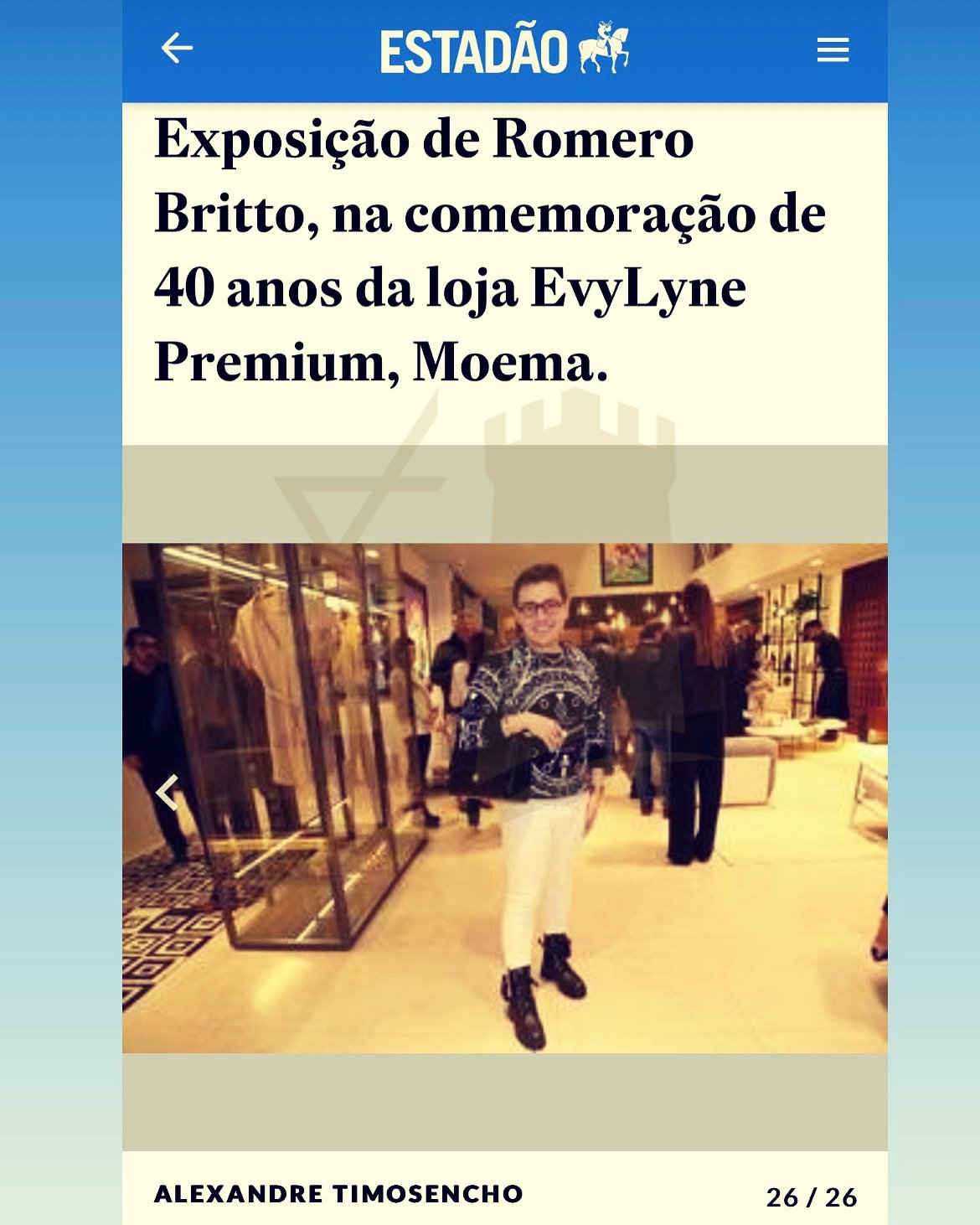
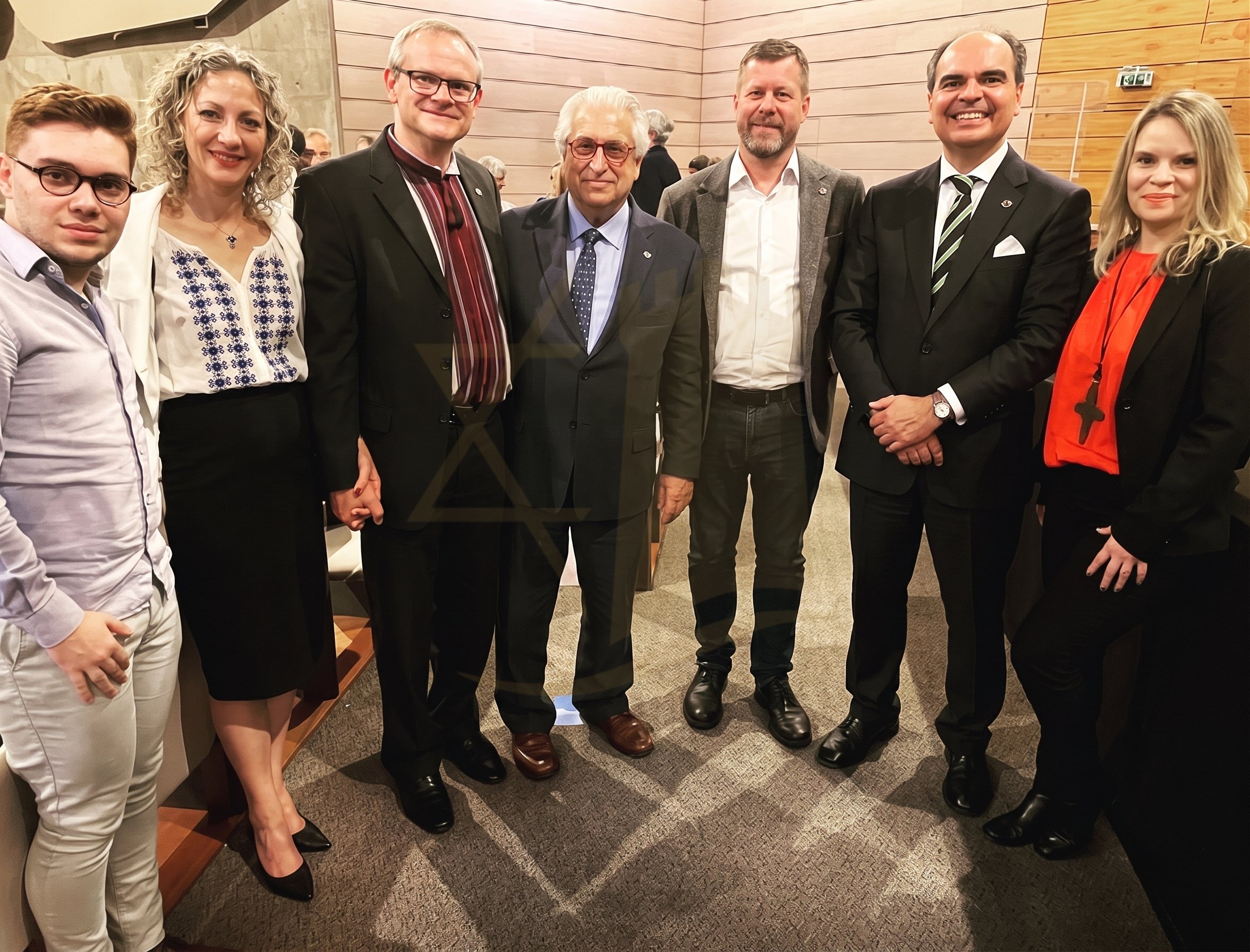
Alexandre Timosencho; Marcia and Jorge Rybka, Consul of Ukraine; Flavio Bitelman, Honorary Consul of Moldova; Vice-Consul of Sweden Peter Johansonn; Consul General of Sweden Renato Pacheco; and Flavia Liz Di Paolo, Personal Guide SP.
An exclusive practice
No one consults a doctor or a lawyer for free — and here it is no different: the consultation is paid, always. This is ten years of specialisation in a craft very few in the world command. My time is this office's most contested resource, and the calendar holds only a few cases at a time — deliberately. This is not service at scale: it is a service of exception, in which every case is handled personally, from the first document to the final dossier.
I start from a simple premise: whoever seeks me out knows what they are hiring. A genealogical research project costs no less than R$ 4,000, and a citizenship process no less than R$ 15,000.

How it works
Be aware of the value and exclusivity of the service.
Book the meeting. A 45-minute consultation, at R$ 300, with scheduling and payment in the same link.
Receive the quote. From the conversation, I analyse the case and present the scope and the fee.
Hire with the amount deducted. The R$ 300 meeting fee is fully deducted from the contracted service. If no service is contracted, or in case of withdrawal, there is no refund.
Bring what the family keeps: names, dates, old documents, photographs.
BOOK A CONSULTATIONFor questions, existing clients, corporate services, partnerships and press enquiries, contact: contato@timosencho.com
(this channel does not handle case reviews or quotes — consultation only).
TIMOSENCHO